


When you need electrical harrietsfield ns services, you're looking for qualified professionals who can handle everything from routine panel upgrades to complete home rewiring. Harrietsfield is a small community of 849 residents in 327 dwellings along Nova Scotia's scenic Chebucto Peninsula, and finding the right electrician means ensuring your home stays safe, efficient, and code-compliant.
Quick Guide to Finding Electrical Services in Harrietsfield:
• 440 electricians serve the Harrietsfield area within a reasonable distance
• Look for BBB-accredited contractors with A+ ratings for trustworthy service
• Verify Red Seal certification to ensure qualified, experienced electricians
• Common services include: panel upgrades, heat pump wiring, generator installation, service calls, and new home electrical work
• Service areas covered: Most electricians serve Halifax Regional Municipality, including Harrietsfield, Dartmouth, Bedford, and surrounding communities
Whether you're dealing with an outdated electrical panel, planning a renovation, or need specialized work like heat pump installation, local electricians offer comprehensive residential and commercial solutions. The key is choosing contractors who understand Nova Scotia's building codes and safety requirements while delivering reliable, efficient service.
For comprehensive HVAC and electrical expertise, explore our full range of services, or get started with a free assessment of your electrical needs.
Welcome to our guide for navigating electrical Harrietsfield NS services! As homeowners, we often take our electrical systems for granted – until something goes wrong. From the moment we flip a switch to the comforting hum of our appliances, electricity powers our daily lives. But behind every working light and every charged device lies a complex network that requires professional care. For the residents of Harrietsfield, with its cozy community of 327 dwellings, ensuring this network is safe, efficient, and up-to-date is paramount. That's where we come in, offering insights into the essential services, how to find trusted professionals, and what you need to know to keep your home running smoothly.
Our goal is to illuminate the path to reliable electrical solutions, helping you understand the breadth of services available and the importance of choosing qualified experts. We believe that an informed homeowner is a empowered homeowner, especially when it comes to something as vital as electricity. So, let's explore how to keep your Harrietsfield home bright, safe, and fully powered.
When we talk about electrical Harrietsfield NS services, we're covering a wide array of needs that keep our homes functional and safe. From the moment you purchase a home to ongoing maintenance and upgrades, a reliable electrician is your best friend. For the 327 dwellings in Harrietsfield, these services are not just conveniences; they are necessities for modern living.
Here are some of the main residential electrical services we provide and that you can expect from qualified electricians in the Harrietsfield area:
• Residential Wiring: This is the backbone of your home's electrical system. Whether you're building a new home, adding an extension, or simply need to replace outdated wiring, professional wiring ensures safety and compliance with current electrical codes. Faulty or old wiring can be a significant fire hazard, making regular inspections and timely upgrades crucial.
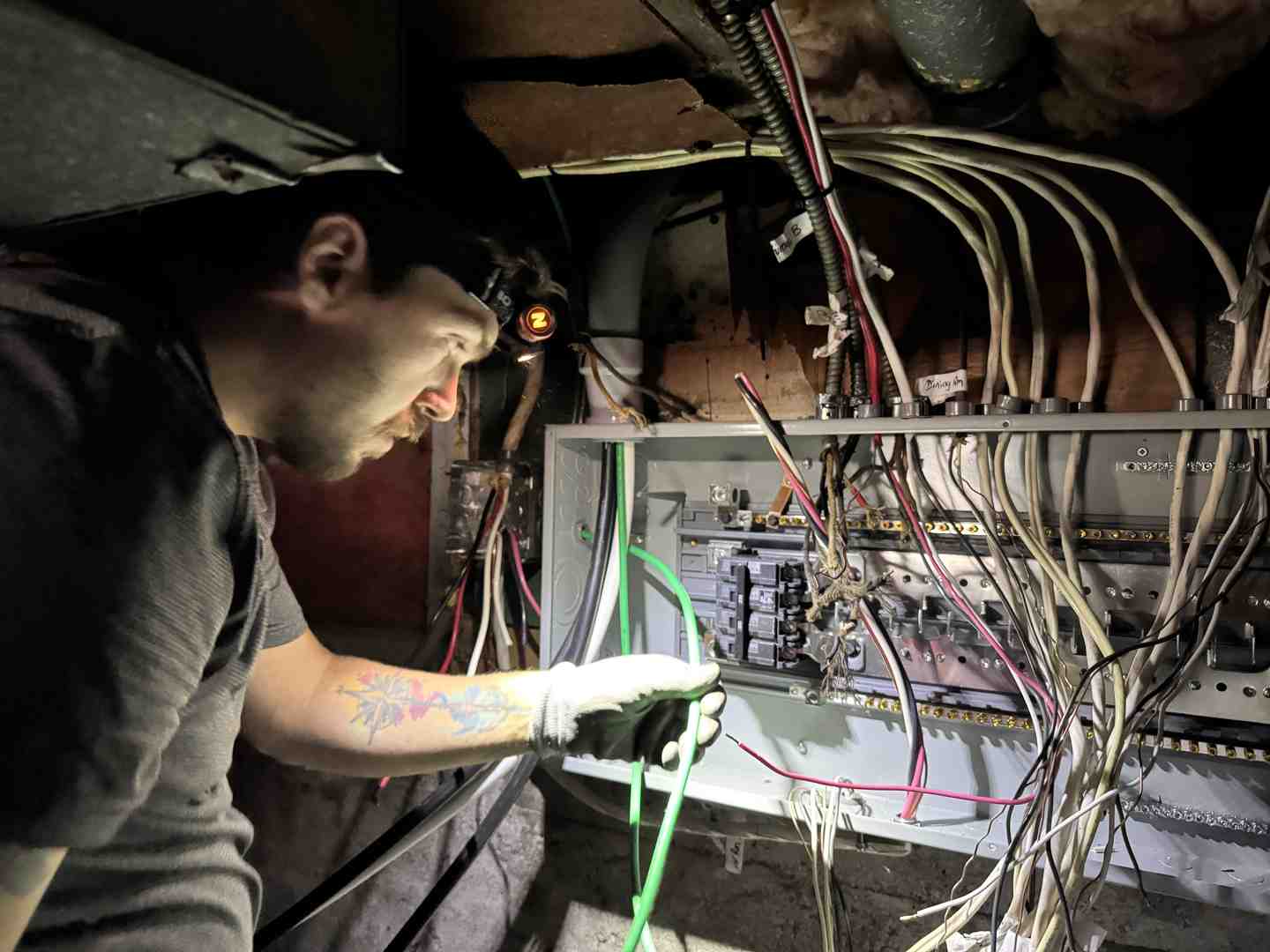
• Panel Upgrades: Your electrical panel is the heart of your home's power. Older homes in Harrietsfield might have panels that can't keep up with today's increased electrical demands from modern appliances and electronics. An upgrade can prevent tripped breakers, flickering lights, and ensure your system can safely handle your power needs. It's like giving your home's electrical system a much-needed health boost!
• Service Calls: Sometimes, you just need a professional to troubleshoot a mysterious electrical issue. From outlets that suddenly stop working to strange buzzing noises, service calls cover diagnostics and repairs for a wide range of electrical problems. These are often the first step in addressing any unexpected electrical hiccups.
• Lighting Installation and Repair: Beyond just having lights, electricians can help you design and install energy-efficient lighting solutions, including LED conversions, smart lighting systems, and outdoor lighting that improves both aesthetics and security. We also handle repairs for non-functional fixtures, ensuring every corner of your home is properly lit.
• Outlet and Switch Installation/Repair: Adding new outlets where you need them, replacing worn-out switches, or upgrading to GFCI (Ground Fault Circuit Interrupter) outlets in wet areas like kitchens and bathrooms are all common services that improve convenience and safety.
• Appliance Wiring: Many major appliances, especially in kitchens and laundry rooms, require dedicated circuits and specialized wiring to operate safely and efficiently. Electricians ensure these connections are made correctly, preventing overloading and potential hazards.
Choosing a professional for these essential services means peace of mind, knowing that your home's electrical system is in capable hands. We pride ourselves on delivering top-notch service for all your residential electrical needs. To learn more about how we can help power your home safely and efficiently, visit our dedicated page on electrical services in Harrietsfield.
Beyond the everyday electrical services, homeowners in Harrietsfield often look for specialized solutions that improve comfort, increase energy efficiency, and provide critical backup during power outages. These advanced installations require specific expertise and careful planning, ensuring they integrate seamlessly and safely with your existing electrical infrastructure.
• Heat Pump Wiring: Heat pumps are a fantastic choice for energy-efficient heating and cooling in Nova Scotia. They can significantly reduce your energy bills and carbon footprint. However, proper heat pump installation requires dedicated electrical wiring to ensure optimal performance and safety. Our Red Seal Electricians are skilled in installing the necessary electrical circuits and connections for various heat pump systems, whether you're upgrading from a traditional furnace or adding a new system. This specialized wiring ensures your heat pump operates at peak efficiency, keeping your home comfortable year-round.
• Generator Installation: Living in Harrietsfield, we understand the importance of preparing for unexpected power outages, especially during stormy weather. A professionally installed home generator provides a reliable source of backup power, ensuring your essential appliances, heating, and lighting remain operational. We specialize in generator installations, from selecting the right size and type for your home to installing the transfer switch and all necessary wiring, giving you peace of mind when the grid goes down.
• Energy Efficiency Upgrades: Beyond heat pumps, many homeowners are seeking ways to make their homes more energy-efficient. This can include installing smart thermostats, upgrading to energy-saving lighting, or even integrating solar-ready electrical systems. These upgrades not only save you money in the long run but also contribute to a greener environment. We can help you identify areas where energy-efficient electrical solutions can make a significant impact on your home.
These specialized electrical installations are investments in your home's future, offering improved comfort, reliability, and efficiency. We ensure that every specialized project is executed with precision and adheres to the highest safety and quality standards. For more information on how these services can benefit your Harrietsfield home, explore our comprehensive electrical services.
Ensuring the safety and compliance of your home's electrical system is paramount. In Harrietsfield, as in all of Nova Scotia, electrical work is governed by strict regulations and safety standards designed to protect homeowners and properties. Understanding these guidelines and choosing qualified professionals is crucial for any electrical Harrietsfield NS project.
Our commitment to safety begins with employing highly skilled professionals. We believe that every homeowner deserves the peace of mind that comes from knowing their electrical work is done right. This is why we rely on Red Seal Electricians. A Red Seal endorsement signifies that an electrician has met the national standard of excellence in their trade, demonstrating a high level of skill and knowledge. This certification is a benchmark of quality and competence, ensuring that the professionals working in your home are among the best in Canada.
Another key indicator of a trustworthy electrical contractor is accreditation from the Better Business Bureau (BBB). Looking for a BBB-accredited electrician with a high rating (like an A+) provides an extra layer of assurance. The BBB evaluates businesses based on their adherence to ethical practices, customer service, and complaint resolution. When you choose a BBB-accredited professional, you're opting for a company that has demonstrated a commitment to integrity and customer satisfaction. The BBB lists over 440 results for electricians near Harrietsfield, NS, making it a valuable resource for your search.
Safety inspections are a non-negotiable part of maintaining a healthy electrical system. Regular inspections can identify potential hazards, ensure proper grounding, check for overloaded circuits, and verify that all installations meet current safety codes. This proactive approach can prevent serious issues down the line, safeguarding your home and loved ones.
To illustrate the evolution of safety, consider the differences between older electrical systems and modern installations:
• Wiring Type — Standard Wiring (Older Homes): Often knob-and-tube or early plastic sheathed wiring — Modern Safety Upgrades (Newer Homes & Renovations): Non-metallic (Romex) sheathed cable with ground wire, often copper
• Panel Capacity — Standard Wiring (Older Homes): 60-100 amp panels, screw-in fuses or older circuit breakers — Modern Safety Upgrades (Newer Homes & Renovations): 100-200+ amp panels, modern circuit breakers (AFCI/GFCI)
• Grounding — Standard Wiring (Older Homes): Limited or no grounding in many circuits — Modern Safety Upgrades (Newer Homes & Renovations): Extensive grounding throughout the system for safety
• Outlets — Standard Wiring (Older Homes): Two-prong ungrounded outlets, no GFCI/AFCI protection — Modern Safety Upgrades (Newer Homes & Renovations): Three-prong grounded outlets, GFCI outlets in wet areas, AFCI in living spaces
• Safety Devices — Standard Wiring (Older Homes): Few to no smoke/CO2 detectors, no whole-home surge protection — Modern Safety Upgrades (Newer Homes & Renovations): Hardwired smoke/CO2 detectors, whole-home surge protectors, tamper-resistant outlets
• Code Compliance — Standard Wiring (Older Homes): Based on older, less stringent codes — Modern Safety Upgrades (Newer Homes & Renovations): Adheres to the latest Canadian Electrical Code standards
Upgrading from older systems to modern safety standards is not just about convenience; it's about crucial protection for your home and family.
Any significant electrical work in your Harrietsfield home requires proper permits. This isn't just bureaucratic red tape; it's a vital step to ensure that all work is inspected and meets the safety standards set by the province and the Halifax Regional Municipality (HRM).
When starting on an electrical Harrietsfield NS project, whether it's a panel upgrade, new wiring installation, or major renovations, you'll need to obtain permits from the appropriate authorities. These permits ensure that licensed electricians perform the work and that it complies with the Canadian Electrical Code (CEC) and local HRM regulations. Nova Scotia Power also has specific requirements and standards that must be met, especially when dealing with service entrances or new connections.
We handle the permit process for our clients, ensuring all necessary paperwork is filed correctly and inspections are scheduled. This saves you time and stress, guaranteeing that your electrical project is fully compliant and safe from start to finish. Ignoring permit requirements can lead to fines, difficulties with insurance, and potentially dangerous electrical installations.
Beyond permits, adherence to stringent safety standards is non-negotiable for all electrical work. Our priority is the safety of your home and family.
Key safety standards we uphold include:
• Smoke Detectors: Properly installed and maintained smoke detectors are crucial for early fire detection. We ensure your detectors are hardwired, interconnected (so when one sounds, they all sound), and strategically placed according to code, providing maximum protection for your Harrietsfield home.
• CO2 Alarms: Carbon monoxide is a silent killer, an odorless, colorless gas. CO2 alarms are essential, especially in homes with fuel-burning appliances or attached garages. We install and check these alarms to ensure they are functioning correctly and providing vital warning.
• Professional Assessments: Regular professional assessments of your electrical system can uncover hidden dangers before they become critical. This includes checking the integrity of your wiring, inspecting connections, and evaluating the overall condition of your electrical infrastructure.
• Wiring Integrity: Over time, wiring can degrade, become damaged, or be improperly modified. We carefully check wiring integrity, repairing or replacing any compromised sections to prevent short circuits, arcing, and fire hazards. This is particularly important for older homes in Harrietsfield that may still have outdated knob-and-tube or aluminum wiring.
By focusing on these safety standards, we ensure that your electrical system is not only functional but also provides a secure environment for your family. We are committed to upholding the highest safety protocols in every project we undertake.
For homeowners in Harrietsfield looking to upgrade their electrical systems, especially with an eye towards energy efficiency, there's good news! Government programs offer incentives that can help offset the cost of making your home greener and more efficient. These programs are designed to reduce greenhouse gas emissions across Canada by encouraging homeowners to invest in energy-saving solutions.
One of the most significant initiatives is the Canada Greener Homes Grant. This federal program can provide eligible homeowners with up to $5000 for energy efficiency upgrades. While the grant covers a range of home improvements, many electrical upgrades, particularly those related to heating, cooling, and smart home technology, can qualify. For instance, installing new, energy-efficient heat pumps often falls under this grant, which requires specialized electrical wiring. The grant aims to help Canadians reduce their energy consumption, lower their utility bills, and contribute to a more sustainable future.
In addition to federal programs, Efficiency Nova Scotia offers its own set of incentives and rebates. These provincial programs often complement federal grants, providing further savings for homeowners who choose energy-efficient products and services. Efficiency Nova Scotia can offer rebates on everything from heat pump installations to smart thermostats and insulation, which indirectly benefits from a well-functioning and upgraded electrical system. To access these programs, you typically need to undergo a home energy assessment to identify the most impactful upgrades for your specific dwelling.
By taking advantage of these grants and incentives, you can:
• Reduce your carbon footprint: Energy-efficient electrical upgrades lead to less energy consumption, contributing to a significant reduction in greenhouse gas emissions.
• Lower your utility bills: Investing in more efficient systems, like modern heat pumps and smart home electrical controls, translates directly into long-term savings on your energy costs.
• Increase your home's value: Energy-efficient homes are more attractive to potential buyers and can command a higher resale value.
• Improve home comfort: Efficient systems often provide more consistent heating and cooling, leading to a more comfortable living environment.
We can guide you through the process of identifying eligible upgrades and help you understand how to steer the application process for these valuable grants and incentives. Our goal is to make your Harrietsfield home not just brighter, but also smarter and more energy-efficient.
We understand that you might have several questions when it comes to finding and working with electricians in Harrietsfield. Here, we address some of the most common inquiries to help you make informed decisions.
Finding a qualified electrician for your electrical Harrietsfield NS needs is crucial for ensuring safety and quality workmanship. Here's our advice:
1. Check BBB Ratings: Start your search with the Better Business Bureau. We recommend looking for electricians with a high BBB rating, preferably A+. The BBB acts as a reliable resource, listing electricians near Harrietsfield, NS, and providing insights into their business practices and customer satisfaction. A high rating indicates a commitment to ethical standards and customer service.
2. Look for Red Seal Certification: Always confirm that the electrician is Red Seal certified. This national standard ensures that the professional has demonstrated a high level of skill and knowledge in the electrical trade. It's a hallmark of expertise and reliability.
3. Confirm Local Service Area: While there are many electricians listed, ensure they explicitly serve Harrietsfield and the surrounding HRM communities. Many excellent electricians in Halifax, Dartmouth, Bedford, and Lower Sackville regularly service Harrietsfield.
4. Verify Professional Credentials: Ask for proof of licensing, insurance, and any other relevant certifications. A reputable electrician will be transparent about their qualifications.
5. Seek Recommendations: Word-of-mouth is powerful. Ask neighbors, friends, or local community groups in Harrietsfield for their recommendations.
By following these steps, you can confidently choose a qualified and trustworthy electrician for your home.
Homes in Harrietsfield, like many communities, can experience a range of electrical issues. While every home is unique, some common problems we often encounter include:
• Outdated Electrical Panels: Many older homes were built before the era of multiple computers, large-screen TVs, and energy-hungry appliances. Their original electrical panels might be undersized (e.g., 60-amp panels) and struggle to meet modern power demands, leading to frequently tripped breakers or flickering lights.
• Faulty or Old Wiring: Homes with knob-and-tube wiring or early aluminum wiring can pose safety risks. This type of wiring may degrade over time, become brittle, or simply not meet current safety standards, increasing the risk of fire or electrical shock.
• Power Surges: These sudden spikes in voltage can damage sensitive electronics and appliances. While some surges come from outside the home (e.g., lightning strikes, utility grid fluctuations), internal surges can also occur. Whole-home surge protection can mitigate this risk.
• Capacity Limitations: As homeowners add more appliances and devices, the existing electrical system might reach its capacity. This can manifest as dimming lights when an appliance turns on, outlets that don't work, or a general feeling that your home's electrical system is "strained."
Addressing these common issues promptly with a professional electrician can prevent more serious problems and ensure the long-term safety and efficiency of your home's electrical system.
Absolutely! As we discussed, there are excellent opportunities for homeowners in Harrietsfield to receive financial assistance for energy-efficient electrical upgrades.
• Canada Greener Homes Grant: This is a federal initiative designed to help Canadians make their homes more energy-efficient. You can be eligible for up to $5000 for qualifying upgrades, including the installation of energy-efficient heat pumps and associated electrical work.
• Federal Incentives: Beyond the direct grant, the federal government may offer other incentives, such as interest-free loans, to support larger energy-efficient retrofits.
• Efficiency Nova Scotia Programs: On the provincial level, Efficiency Nova Scotia provides a variety of rebates and programs specifically custom to homeowners in the region. These often include incentives for heat pump rebates, smart home devices, and other energy-saving electrical solutions.
These programs are invaluable for making your home more sustainable and reducing your energy costs. We encourage you to explore these options and see how you can benefit from them to make your electrical Harrietsfield NS upgrades more affordable.
Navigating electrical Harrietsfield NS services doesn't have to be a shocking experience! With a clear understanding of the essential services, specialized solutions, and crucial safety standards, you're well-equipped to make informed decisions for your home. From ensuring your residential wiring is safe and up-to-code, to embracing energy-efficient heat pumps and reliable backup generators, the right electrical partner can make all the difference.
We've explored the importance of choosing qualified Red Seal Electricians, the assurance that comes with BBB accreditation, and the financial benefits of government incentives like the Canada Greener Homes Grant and Efficiency Nova Scotia programs. For the community of Harrietsfield, with its unique charm and close-knit feel, maintaining safe and efficient electrical systems is key to comfortable living.
At Presidential Ventilation Systems, we bring over 30 years of experience to the table, not just in HVAC but also in providing top-tier electrical services for both residential and commercial clients. As a leading Daikin Comfort Pro Dealer, we understand the intricate relationship between efficient heating/cooling and a robust electrical system. Our commitment to exceptional service, long warranties, and energy-saving solutions extends to every electrical project we undertake. We believe in powering your home with professionalism and precision, ensuring your peace of mind.
Don't let electrical concerns dim your day. Whether you're planning an upgrade, need a repair, or are simply looking for expert advice, we're here to help.
Schedule your Harrietsfield electrical service today and let us illuminate your home with our expertise.

When you need electrical harrietsfield ns services, you're looking for qualified professionals who can handle everything from routine panel upgrades to complete home rewiring. Harrietsfield is a small community of 849 residents in 327 dwellings along Nova Scotia's scenic Chebucto Peninsula, and finding the right electrician means ensuring your home stays safe, efficient, and code-compliant.
Quick Guide to Finding Electrical Services in Harrietsfield:
• 440 electricians serve the Harrietsfield area within a reasonable distance
• Look for BBB-accredited contractors with A+ ratings for trustworthy service
• Verify Red Seal certification to ensure qualified, experienced electricians
• Common services include: panel upgrades, heat pump wiring, generator installation, service calls, and new home electrical work
• Service areas covered: Most electricians serve Halifax Regional Municipality, including Harrietsfield, Dartmouth, Bedford, and surrounding communities
Whether you're dealing with an outdated electrical panel, planning a renovation, or need specialized work like heat pump installation, local electricians offer comprehensive residential and commercial solutions. The key is choosing contractors who understand Nova Scotia's building codes and safety requirements while delivering reliable, efficient service.
For comprehensive HVAC and electrical expertise, explore our full range of services, or get started with a free assessment of your electrical needs.
Welcome to our guide for navigating electrical Harrietsfield NS services! As homeowners, we often take our electrical systems for granted – until something goes wrong. From the moment we flip a switch to the comforting hum of our appliances, electricity powers our daily lives. But behind every working light and every charged device lies a complex network that requires professional care. For the residents of Harrietsfield, with its cozy community of 327 dwellings, ensuring this network is safe, efficient, and up-to-date is paramount. That's where we come in, offering insights into the essential services, how to find trusted professionals, and what you need to know to keep your home running smoothly.
Our goal is to illuminate the path to reliable electrical solutions, helping you understand the breadth of services available and the importance of choosing qualified experts. We believe that an informed homeowner is a empowered homeowner, especially when it comes to something as vital as electricity. So, let's explore how to keep your Harrietsfield home bright, safe, and fully powered.
When we talk about electrical Harrietsfield NS services, we're covering a wide array of needs that keep our homes functional and safe. From the moment you purchase a home to ongoing maintenance and upgrades, a reliable electrician is your best friend. For the 327 dwellings in Harrietsfield, these services are not just conveniences; they are necessities for modern living.
Here are some of the main residential electrical services we provide and that you can expect from qualified electricians in the Harrietsfield area:
• Residential Wiring: This is the backbone of your home's electrical system. Whether you're building a new home, adding an extension, or simply need to replace outdated wiring, professional wiring ensures safety and compliance with current electrical codes. Faulty or old wiring can be a significant fire hazard, making regular inspections and timely upgrades crucial.
• Panel Upgrades: Your electrical panel is the heart of your home's power. Older homes in Harrietsfield might have panels that can't keep up with today's increased electrical demands from modern appliances and electronics. An upgrade can prevent tripped breakers, flickering lights, and ensure your system can safely handle your power needs. It's like giving your home's electrical system a much-needed health boost!
• Service Calls: Sometimes, you just need a professional to troubleshoot a mysterious electrical issue. From outlets that suddenly stop working to strange buzzing noises, service calls cover diagnostics and repairs for a wide range of electrical problems. These are often the first step in addressing any unexpected electrical hiccups.
• Lighting Installation and Repair: Beyond just having lights, electricians can help you design and install energy-efficient lighting solutions, including LED conversions, smart lighting systems, and outdoor lighting that improves both aesthetics and security. We also handle repairs for non-functional fixtures, ensuring every corner of your home is properly lit.
• Outlet and Switch Installation/Repair: Adding new outlets where you need them, replacing worn-out switches, or upgrading to GFCI (Ground Fault Circuit Interrupter) outlets in wet areas like kitchens and bathrooms are all common services that improve convenience and safety.
• Appliance Wiring: Many major appliances, especially in kitchens and laundry rooms, require dedicated circuits and specialized wiring to operate safely and efficiently. Electricians ensure these connections are made correctly, preventing overloading and potential hazards.
Choosing a professional for these essential services means peace of mind, knowing that your home's electrical system is in capable hands. We pride ourselves on delivering top-notch service for all your residential electrical needs. To learn more about how we can help power your home safely and efficiently, visit our dedicated page on electrical services in Harrietsfield.
Beyond the everyday electrical services, homeowners in Harrietsfield often look for specialized solutions that improve comfort, increase energy efficiency, and provide critical backup during power outages. These advanced installations require specific expertise and careful planning, ensuring they integrate seamlessly and safely with your existing electrical infrastructure.
• Heat Pump Wiring: Heat pumps are a fantastic choice for energy-efficient heating and cooling in Nova Scotia. They can significantly reduce your energy bills and carbon footprint. However, proper heat pump installation requires dedicated electrical wiring to ensure optimal performance and safety. Our Red Seal Electricians are skilled in installing the necessary electrical circuits and connections for various heat pump systems, whether you're upgrading from a traditional furnace or adding a new system. This specialized wiring ensures your heat pump operates at peak efficiency, keeping your home comfortable year-round.
• Generator Installation: Living in Harrietsfield, we understand the importance of preparing for unexpected power outages, especially during stormy weather. A professionally installed home generator provides a reliable source of backup power, ensuring your essential appliances, heating, and lighting remain operational. We specialize in generator installations, from selecting the right size and type for your home to installing the transfer switch and all necessary wiring, giving you peace of mind when the grid goes down.
• Energy Efficiency Upgrades: Beyond heat pumps, many homeowners are seeking ways to make their homes more energy-efficient. This can include installing smart thermostats, upgrading to energy-saving lighting, or even integrating solar-ready electrical systems. These upgrades not only save you money in the long run but also contribute to a greener environment. We can help you identify areas where energy-efficient electrical solutions can make a significant impact on your home.
These specialized electrical installations are investments in your home's future, offering improved comfort, reliability, and efficiency. We ensure that every specialized project is executed with precision and adheres to the highest safety and quality standards. For more information on how these services can benefit your Harrietsfield home, explore our comprehensive electrical services.
Ensuring the safety and compliance of your home's electrical system is paramount. In Harrietsfield, as in all of Nova Scotia, electrical work is governed by strict regulations and safety standards designed to protect homeowners and properties. Understanding these guidelines and choosing qualified professionals is crucial for any electrical Harrietsfield NS project.
Our commitment to safety begins with employing highly skilled professionals. We believe that every homeowner deserves the peace of mind that comes from knowing their electrical work is done right. This is why we rely on Red Seal Electricians. A Red Seal endorsement signifies that an electrician has met the national standard of excellence in their trade, demonstrating a high level of skill and knowledge. This certification is a benchmark of quality and competence, ensuring that the professionals working in your home are among the best in Canada.
Another key indicator of a trustworthy electrical contractor is accreditation from the Better Business Bureau (BBB). Looking for a BBB-accredited electrician with a high rating (like an A+) provides an extra layer of assurance. The BBB evaluates businesses based on their adherence to ethical practices, customer service, and complaint resolution. When you choose a BBB-accredited professional, you're opting for a company that has demonstrated a commitment to integrity and customer satisfaction. The BBB lists over 440 results for electricians near Harrietsfield, NS, making it a valuable resource for your search.
Safety inspections are a non-negotiable part of maintaining a healthy electrical system. Regular inspections can identify potential hazards, ensure proper grounding, check for overloaded circuits, and verify that all installations meet current safety codes. This proactive approach can prevent serious issues down the line, safeguarding your home and loved ones.
To illustrate the evolution of safety, consider the differences between older electrical systems and modern installations:
• Wiring Type — Standard Wiring (Older Homes): Often knob-and-tube or early plastic sheathed wiring — Modern Safety Upgrades (Newer Homes & Renovations): Non-metallic (Romex) sheathed cable with ground wire, often copper
• Panel Capacity — Standard Wiring (Older Homes): 60-100 amp panels, screw-in fuses or older circuit breakers — Modern Safety Upgrades (Newer Homes & Renovations): 100-200+ amp panels, modern circuit breakers (AFCI/GFCI)
• Grounding — Standard Wiring (Older Homes): Limited or no grounding in many circuits — Modern Safety Upgrades (Newer Homes & Renovations): Extensive grounding throughout the system for safety
• Outlets — Standard Wiring (Older Homes): Two-prong ungrounded outlets, no GFCI/AFCI protection — Modern Safety Upgrades (Newer Homes & Renovations): Three-prong grounded outlets, GFCI outlets in wet areas, AFCI in living spaces
• Safety Devices — Standard Wiring (Older Homes): Few to no smoke/CO2 detectors, no whole-home surge protection — Modern Safety Upgrades (Newer Homes & Renovations): Hardwired smoke/CO2 detectors, whole-home surge protectors, tamper-resistant outlets
• Code Compliance — Standard Wiring (Older Homes): Based on older, less stringent codes — Modern Safety Upgrades (Newer Homes & Renovations): Adheres to the latest Canadian Electrical Code standards
Upgrading from older systems to modern safety standards is not just about convenience; it's about crucial protection for your home and family.
Any significant electrical work in your Harrietsfield home requires proper permits. This isn't just bureaucratic red tape; it's a vital step to ensure that all work is inspected and meets the safety standards set by the province and the Halifax Regional Municipality (HRM).
When starting on an electrical Harrietsfield NS project, whether it's a panel upgrade, new wiring installation, or major renovations, you'll need to obtain permits from the appropriate authorities. These permits ensure that licensed electricians perform the work and that it complies with the Canadian Electrical Code (CEC) and local HRM regulations. Nova Scotia Power also has specific requirements and standards that must be met, especially when dealing with service entrances or new connections.
We handle the permit process for our clients, ensuring all necessary paperwork is filed correctly and inspections are scheduled. This saves you time and stress, guaranteeing that your electrical project is fully compliant and safe from start to finish. Ignoring permit requirements can lead to fines, difficulties with insurance, and potentially dangerous electrical installations.
Beyond permits, adherence to stringent safety standards is non-negotiable for all electrical work. Our priority is the safety of your home and family.
Key safety standards we uphold include:
• Smoke Detectors: Properly installed and maintained smoke detectors are crucial for early fire detection. We ensure your detectors are hardwired, interconnected (so when one sounds, they all sound), and strategically placed according to code, providing maximum protection for your Harrietsfield home.
• CO2 Alarms: Carbon monoxide is a silent killer, an odorless, colorless gas. CO2 alarms are essential, especially in homes with fuel-burning appliances or attached garages. We install and check these alarms to ensure they are functioning correctly and providing vital warning.
• Professional Assessments: Regular professional assessments of your electrical system can uncover hidden dangers before they become critical. This includes checking the integrity of your wiring, inspecting connections, and evaluating the overall condition of your electrical infrastructure.
• Wiring Integrity: Over time, wiring can degrade, become damaged, or be improperly modified. We carefully check wiring integrity, repairing or replacing any compromised sections to prevent short circuits, arcing, and fire hazards. This is particularly important for older homes in Harrietsfield that may still have outdated knob-and-tube or aluminum wiring.
By focusing on these safety standards, we ensure that your electrical system is not only functional but also provides a secure environment for your family. We are committed to upholding the highest safety protocols in every project we undertake.
For homeowners in Harrietsfield looking to upgrade their electrical systems, especially with an eye towards energy efficiency, there's good news! Government programs offer incentives that can help offset the cost of making your home greener and more efficient. These programs are designed to reduce greenhouse gas emissions across Canada by encouraging homeowners to invest in energy-saving solutions.
One of the most significant initiatives is the Canada Greener Homes Grant. This federal program can provide eligible homeowners with up to $5000 for energy efficiency upgrades. While the grant covers a range of home improvements, many electrical upgrades, particularly those related to heating, cooling, and smart home technology, can qualify. For instance, installing new, energy-efficient heat pumps often falls under this grant, which requires specialized electrical wiring. The grant aims to help Canadians reduce their energy consumption, lower their utility bills, and contribute to a more sustainable future.
In addition to federal programs, Efficiency Nova Scotia offers its own set of incentives and rebates. These provincial programs often complement federal grants, providing further savings for homeowners who choose energy-efficient products and services. Efficiency Nova Scotia can offer rebates on everything from heat pump installations to smart thermostats and insulation, which indirectly benefits from a well-functioning and upgraded electrical system. To access these programs, you typically need to undergo a home energy assessment to identify the most impactful upgrades for your specific dwelling.
By taking advantage of these grants and incentives, you can:
• Reduce your carbon footprint: Energy-efficient electrical upgrades lead to less energy consumption, contributing to a significant reduction in greenhouse gas emissions.
• Lower your utility bills: Investing in more efficient systems, like modern heat pumps and smart home electrical controls, translates directly into long-term savings on your energy costs.
• Increase your home's value: Energy-efficient homes are more attractive to potential buyers and can command a higher resale value.
• Improve home comfort: Efficient systems often provide more consistent heating and cooling, leading to a more comfortable living environment.
We can guide you through the process of identifying eligible upgrades and help you understand how to steer the application process for these valuable grants and incentives. Our goal is to make your Harrietsfield home not just brighter, but also smarter and more energy-efficient.
We understand that you might have several questions when it comes to finding and working with electricians in Harrietsfield. Here, we address some of the most common inquiries to help you make informed decisions.
Finding a qualified electrician for your electrical Harrietsfield NS needs is crucial for ensuring safety and quality workmanship. Here's our advice:
1. Check BBB Ratings: Start your search with the Better Business Bureau. We recommend looking for electricians with a high BBB rating, preferably A+. The BBB acts as a reliable resource, listing electricians near Harrietsfield, NS, and providing insights into their business practices and customer satisfaction. A high rating indicates a commitment to ethical standards and customer service.
2. Look for Red Seal Certification: Always confirm that the electrician is Red Seal certified. This national standard ensures that the professional has demonstrated a high level of skill and knowledge in the electrical trade. It's a hallmark of expertise and reliability.
3. Confirm Local Service Area: While there are many electricians listed, ensure they explicitly serve Harrietsfield and the surrounding HRM communities. Many excellent electricians in Halifax, Dartmouth, Bedford, and Lower Sackville regularly service Harrietsfield.
4. Verify Professional Credentials: Ask for proof of licensing, insurance, and any other relevant certifications. A reputable electrician will be transparent about their qualifications.
5. Seek Recommendations: Word-of-mouth is powerful. Ask neighbors, friends, or local community groups in Harrietsfield for their recommendations.
By following these steps, you can confidently choose a qualified and trustworthy electrician for your home.
Homes in Harrietsfield, like many communities, can experience a range of electrical issues. While every home is unique, some common problems we often encounter include:
• Outdated Electrical Panels: Many older homes were built before the era of multiple computers, large-screen TVs, and energy-hungry appliances. Their original electrical panels might be undersized (e.g., 60-amp panels) and struggle to meet modern power demands, leading to frequently tripped breakers or flickering lights.
• Faulty or Old Wiring: Homes with knob-and-tube wiring or early aluminum wiring can pose safety risks. This type of wiring may degrade over time, become brittle, or simply not meet current safety standards, increasing the risk of fire or electrical shock.
• Power Surges: These sudden spikes in voltage can damage sensitive electronics and appliances. While some surges come from outside the home (e.g., lightning strikes, utility grid fluctuations), internal surges can also occur. Whole-home surge protection can mitigate this risk.
• Capacity Limitations: As homeowners add more appliances and devices, the existing electrical system might reach its capacity. This can manifest as dimming lights when an appliance turns on, outlets that don't work, or a general feeling that your home's electrical system is "strained."
Addressing these common issues promptly with a professional electrician can prevent more serious problems and ensure the long-term safety and efficiency of your home's electrical system.
Absolutely! As we discussed, there are excellent opportunities for homeowners in Harrietsfield to receive financial assistance for energy-efficient electrical upgrades.
• Canada Greener Homes Grant: This is a federal initiative designed to help Canadians make their homes more energy-efficient. You can be eligible for up to $5000 for qualifying upgrades, including the installation of energy-efficient heat pumps and associated electrical work.
• Federal Incentives: Beyond the direct grant, the federal government may offer other incentives, such as interest-free loans, to support larger energy-efficient retrofits.
• Efficiency Nova Scotia Programs: On the provincial level, Efficiency Nova Scotia provides a variety of rebates and programs specifically custom to homeowners in the region. These often include incentives for heat pump rebates, smart home devices, and other energy-saving electrical solutions.
These programs are invaluable for making your home more sustainable and reducing your energy costs. We encourage you to explore these options and see how you can benefit from them to make your electrical Harrietsfield NS upgrades more affordable.
Navigating electrical Harrietsfield NS services doesn't have to be a shocking experience! With a clear understanding of the essential services, specialized solutions, and crucial safety standards, you're well-equipped to make informed decisions for your home. From ensuring your residential wiring is safe and up-to-code, to embracing energy-efficient heat pumps and reliable backup generators, the right electrical partner can make all the difference.
We've explored the importance of choosing qualified Red Seal Electricians, the assurance that comes with BBB accreditation, and the financial benefits of government incentives like the Canada Greener Homes Grant and Efficiency Nova Scotia programs. For the community of Harrietsfield, with its unique charm and close-knit feel, maintaining safe and efficient electrical systems is key to comfortable living.
At Presidential Ventilation Systems, we bring over 30 years of experience to the table, not just in HVAC but also in providing top-tier electrical services for both residential and commercial clients. As a leading Daikin Comfort Pro Dealer, we understand the intricate relationship between efficient heating/cooling and a robust electrical system. Our commitment to exceptional service, long warranties, and energy-saving solutions extends to every electrical project we undertake. We believe in powering your home with professionalism and precision, ensuring your peace of mind.
Don't let electrical concerns dim your day. Whether you're planning an upgrade, need a repair, or are simply looking for expert advice, we're here to help.
Schedule your Harrietsfield electrical service today and let us illuminate your home with our expertise.

In our 30+ years serving Nova Scotia homeowners, we find that believing a modern electric system will deliver the exact same physical sensation as a combustion furnace is a common misconception. In fact, if you are transitioning from oil forced air to a central ducted heat pump: airflow considerations are just as important as the anticipated energy savings. Many homeowners expect the new system to blast intensely hot air just like their old furnace did. When they place a hand over the vent and feel a milder breeze, they immediately worry that the new equipment is failing to heat the house.
This dramatic sensory difference requires a slight adjustment in how you perceive indoor comfort. The reality is that your new system is working perfectly, but it uses an entirely different method of heat transfer. Understanding how airflow volume and supply register temperatures change before you commit to a conversion is the single most important step in setting the right expectations for your home.
Explore our heat pumps and discover how our experienced team guides you through every step of this mechanical and sensory transition.
To fully appreciate the upgrade, you have to look at the mechanics behind the air coming out of your vents. Traditional combustion systems rely on extreme heat and short bursts, whereas modern electric heat transfer relies on consistent, steady airflow. This fundamental shift explains why custom ductwork adaptation becomes such a critical part of the installation process. If you force a high-volume system to breathe through ductwork designed for low-volume combustion, you will never achieve the comfort you expect.
The primary reason heat pump air feels different than oil heat comes down to the fundamental difference between creating heat through combustion and moving heat through refrigeration. An oil furnace burns fossil fuels at extremely high temperatures. As a result, the air it forces through your ductwork typically reaches supply register temperatures between 120F and 140F. This is a high-heat, low-volume approach. The air is so hot that it quickly raises the room temperature, allowing the furnace to shut off after a relatively short cycle.
Modern ducted heat pump systems operate on a completely different principle. Instead of burning fuel, they extract ambient heat from the outside air and transfer it indoors. Because of this highly efficient process, the air delivered to your supply registers generally sits between 90F and 105F. This is a lower-heat, high-volume approach.
Here is where human biology plays tricks on you. Your normal body temperature is 98.6F. When 90F air blows directly onto your skin, it is literally cooler than your body temperature, so it feels "cool" to the touch. However, that 90F air is still significantly warmer than your 70F thermostat set point. It is actively and efficiently heating the room, even if it does not feel hot against your hand.
• Supply Air Temperature — Traditional Oil Furnace: 120F - 140F — Modern Ducted Heat Pump: 90F - 105F
• Airflow Volume (CFM) — Traditional Oil Furnace: Lower volume, higher static pressure — Modern Ducted Heat Pump: Higher volume, requires larger ducts
• Operational Cycle — Traditional Oil Furnace: Short, intense bursts of heat — Modern Ducted Heat Pump: Long, continuous, steady operation
• Sensory Experience — Traditional Oil Furnace: Hot to the touch, noticeable temperature swings — Modern Ducted Heat Pump: Mild breeze, highly consistent room temperature
BTU (British Thermal Unit) delivery methods dictate how your home stays warm. Because an oil furnace delivers fewer cubic feet per minute (CFM) of very hot air, it achieves the required BTUs quickly. Because a heat pump delivers lower register temperatures, it must move a higher volume of air continuously to deliver those same BTUs and achieve the same ambient room temperature. This higher CFM requirement fundamentally changes the physical sensation of air moving through your vents, replacing the harsh blast of a furnace with a gentle, continuous circulation.

The problem: If you have lived with an oil furnace for years, you are intimately familiar with the "blast and chill" cycle. The thermostat calls for heat, the furnace ignites, and a rapid blast of intense heat floods the room. Within fifteen minutes, the house reaches the target temperature and the system shuts down abruptly. Over the next hour, the house slowly cools down. During the Nova Scotia winter heating season, this on/off cycling allows cold drafts and the damp, coastal chill to settle deep into the home's envelope before the next heating cycle kicks in.
The cause: Combustion systems are essentially oversized by design. They are built to overwhelm the cold quickly, rather than manage it steadily. This creates a rollercoaster effect in your indoor climate. You are often slightly too hot while the furnace is running, and slightly too cold right before it turns back on.
The solution: Our team at Presidential Ventilation Systems frequently hears from homeowners who are tired of this rollercoaster effect. Continuous, steady-state heat pump operation actively prevents this damp chill from settling into the home. Modern inverter-driven compressors do not just turn on and off; they ramp up and down like the accelerator pedal in a car. They supply a constant, gentle flow of warm air that matches the exact heat loss of your home in real-time. This maintains a perfectly even ambient temperature from floor to ceiling. The psychological adjustment for homeowners is realizing that a system running constantly is actually operating at peak efficiency, not struggling to keep up. It is working smarter, not harder, to keep the dampness at bay.
One of the most frequent questions we encounter involves ductwork compatibility. Many older homes were built with ductwork sized specifically for the low-volume, high-heat characteristics of an oil furnace. If you simply attach a high-efficiency heat pump to a restrictive, undersized duct system, you are going to encounter immediate problems.
Forcing high-volume heat pump air through undersized ducts is like trying to breathe through a drinking straw while running a marathon. It causes excessive static pressure, which leads to loud rushing noises at the vents, significantly reduced energy efficiency, and premature wear on the new blower motor. The equipment will struggle to deliver the correct volume of air, meaning some rooms will remain cold while the central unit works itself to death.
This is why custom duct transitions and modifications are almost always required to ensure proper static pressure and airflow. Never assume your existing ducts are instantly compatible. A professional assessment is strictly required to measure the existing ductwork's capacity against the new system's CFM requirements.
Our skilled Red Seal tradespeople see this exact scenario frequently across Mount Uniacke and the surrounding areas. During a major house renovation that was gutted to the studs, one local homeowner needed their old heat pump and oil furnace ducting completely replaced. Because our team handles sheet metal fabrication in-house, we designed and replaced all the ductwork to perfectly match the airflow requirements of their new top-of-the-line system. The new unit has been working flawlessly since the installation, proving the value of proper airflow design.
Off-the-shelf duct fittings often fail in retrofit scenarios because every older home has unique structural constraints. Relying on generic parts usually creates sharp angles and airflow bottlenecks. With over 30+ years of local HVAC and custom sheet-metal experience, our in-house fabrication ensures that old oil ducts are seamlessly and precisely adapted. We build the exact transition pieces required to smooth out the airflow, reducing static pressure and ensuring the system operates quietly and efficiently without relying on third-party subcontractors.
Moving from a fossil-fuel combustion appliance to a fully electric heating system fundamentally changes your home's electrical load. While you are focused on ductwork and airflow, it is crucial not to overlook the electrical panel upgrades that are often required during an oil-to-heat-pump conversion.
Older homes built during the peak of oil heating often have 100-amp electrical services. While 100 amps was plenty for running lights, appliances, and a small furnace fan, it is rarely enough to safely support a central heat pump system alongside backup electric heating elements.
Key electrical considerations during a conversion:
• Total load calculations: A fully electric home requires a comprehensive load calculation to ensure the main breaker will not trip during peak winter usage.
• Backup heating elements: Central ducted systems often include auxiliary electric heat strips for extreme cold snaps, which draw significant amperage and require dedicated high-capacity circuits.
• Panel capacity upgrades: Upgrading to a 200-amp service is frequently necessary to provide the safe, reliable power required for modern electric heating.
• Code compliance: All new electrical connections must meet current provincial safety codes, requiring licensed professionals to pull permits and complete the wiring.
With approximately 70 employees spanning multiple skilled trades, our team knows firsthand that upgrading from a forced air oil burner system often brings these unexpected electrical challenges to light. One recent customer experienced concerns regarding their electrical panel capacity during their central heat pump transition. Because we maintain multi-trade capabilities, our electrical staff stepped in immediately to resolve the panel concerns without delaying the project. The system works great, and the seamless coordination meant the homeowner did not have to juggle multiple contractors.
Proper equipment sizing is the linchpin of a successful conversion. You should never size a new electric system based solely on the square footage of your home, nor should you simply match the BTU output of your old oil furnace. Oil furnaces were historically oversized by default. If you install an oversized heat pump, it will short-cycle—turning on and off rapidly—which destroys its ability to dehumidify the air and ruins the continuous airflow comfort it was designed to provide.
A proper Manual J load calculation ensures the new system can deliver the correct volume of air without short-cycling. This calculation takes into account your home's insulation levels, window quality, layout, and regional climate data. Only a rigorous assessment guarantees that the equipment matches your actual heat loss.
High-quality equipment, such as Lennox ducted heat pumps, manages variable speeds to optimize continuous airflow. As a Daikin Comfort Pro and trusted Lennox installer, we know these advanced systems precisely modulate their output, delivering exactly the right amount of warm air to maintain your thermostat setting without wasting power.
It is also worth noting that various provincial and federal rebate programs may be available to help offset the costs of upgrading to high-efficiency equipment. However, program requirements and eligibility criteria change frequently. You should always confirm current rebate programs and your specific eligibility with Presidential Ventilation Systems during the assessment phase.
Your first winter without an oil furnace will be a distinctly different experience, but one that ultimately provides superior comfort. The most important thing to remember is that your home will feel different. You will notice fewer dramatic temperature swings and a much steadier, even warmth throughout the house.
During the peak of the Nova Scotia winter heating season, do not panic if the system runs for long periods—or even continuously. This is by design. Constant operation is how the system achieves its incredible energy efficiency, gently replacing the heat your home loses to the cold outside air. The air coming from the vents will feel milder, but the room itself will remain perfectly comfortable.
To keep this airflow optimal, regular maintenance is essential. Because the system moves a higher volume of air continuously, your air filters will capture more dust and debris than they did with your old furnace. Checking and replacing your filters regularly will protect the blower motor and ensure the static pressure remains balanced.
The initial sensory adjustment is entirely worth the long-term efficiency and comfort gains. If you are still exploring your options, reading up on the best ducted heat pumps for Halifax homes can provide additional insights into which systems perform best in our unique coastal climate.
A heat pump provides a milder, more consistent warmth compared to the intense, hot blast of an oil furnace. While an oil furnace delivers air at 120F to 140F, a heat pump delivers air between 90F and 105F. Because this supply temperature is slightly lower than your normal body temperature, the air may feel cool if it blows directly on your skin. However, this steady stream of milder air is highly efficient and perfectly capable of keeping your entire home at a comfortable 70F ambient temperature.
As our in-house sheet-metal fabricators will tell you, in most cases, existing oil ductwork must be modified or partially replaced to accommodate a heat pump. Oil furnaces operate with low-volume, high-heat airflow, meaning their ducts are often too small for modern electric systems. Heat pumps require a higher volume of continuous airflow (higher CFM) to heat the home effectively. Forcing this higher volume through undersized ducts causes loud rushing noises, poor efficiency, and excess static pressure, which is why custom sheet-metal transitions are usually required.
Your heat pump is designed to run continuously to maintain a steady, efficient temperature in your home. Unlike older combustion furnaces that blast heat and then shut off, modern variable-speed compressors ramp up and down to match your home's exact heat loss in real-time. Running constantly at a low speed uses significantly less electricity than constantly turning on and off, and it prevents cold drafts from settling into the house between cycles.
If your system is in heating mode, it may feel like it is blowing cool air because the 90F supply air is cooler than your 98.6F body temperature. This is a normal sensory difference when switching from oil heat. However, if the air is genuinely cold and the room temperature is dropping below your thermostat setting, the system may be in a temporary defrost cycle to remove ice from the outdoor unit, or it may require professional maintenance to check the refrigerant charge.
Many older homes require an electrical panel upgrade when transitioning from an oil furnace to a fully electric heating system. Oil furnaces use very little electricity, so a 100-amp service was historically sufficient. Central heat pumps, especially those equipped with auxiliary electric backup heating elements for extreme cold, draw significant amperage. Upgrading to a 200-amp service ensures your home can safely handle the increased electrical load without tripping the main breaker.
Understanding the sensory shift and the necessary mechanical requirements is the very first step toward a successful heating upgrade. Transitioning away from oil requires careful planning, from load calculations to ductwork adaptation and electrical panel upgrades. With 30+ years of local Nova Scotia HVAC, electrical, and custom sheet-metal experience, our multi-trade team of approximately 70 employees handles every aspect of the conversion seamlessly in-house.
You do not have to manage multiple contractors to achieve perfect indoor comfort. Contact Presidential Ventilation Systems today to request a free professional assessment and estimate, and let us design a customized heating solution that perfectly fits your home.

Your new commercial rooftop unit (RTU) has finally arrived, the 50-ton heavy-duty crane is positioned in the parking lot, and the mechanical installation crew is ready to work. Then, progress grinds to a complete halt. The electrical capacity on the roof does not match the new equipment requirements. Our commercial installation teams at Presidential Ventilation Systems frequently see this scenario play out during the busy fall changeover season. Coordinating Three-Phase Power Hookups for Commercial Rooftop Units in Dartmouth, NS, is frequently the most overlooked step in facility upgrades. This single oversight leads to severe logistical delays, wasted crane rental fees, and massive scheduling conflicts across different trades. As a facility manager, you face a critical decision: do you try to juggle multiple separate subcontractors, or do you hire a single multi-trade contractor to handle the entire project seamlessly? When you need comprehensive commercial HVAC and ventilation services, getting the electrical and mechanical sequence right the first time is exactly what keeps your project on schedule.
The primary frustration for property managers during a commercial HVAC installation is the siloed nature of the traditional construction industry. Usually, an HVAC technician installs the physical unit, while a completely separate electrical contractor handles the high-voltage wiring. If these two entities do not communicate perfectly during the planning phase, you end up with a severe capacity mismatch on installation day. The mechanical team assumes the electrician pulled the right permits and installed the correct disconnects, while the electrician assumes the HVAC team ordered equipment that matches the existing building load.
This disconnect creates a logistical nightmare. When a crane is sitting idle in Dartmouth commercial districts like Burnside or Dartmouth Crossing, you are paying hefty hourly equipment fees for machinery that isn't moving. If the electrical hookup is wrong, the mechanical team cannot commission the unit. They have to leave the site, wait for the electrician to return, upgrade the wiring, and then schedule a second mechanical visit to finalize the startup. These trade silos cause massive scheduling overruns and leave your building without proper climate control for days or even weeks longer than anticipated.
Common Crane Day Bottlenecks Include:
• Mismatched voltage requirements: The new unit requires 460V, but the existing rooftop disconnect only supplies 208V.
• Missing electrical permits: The mechanical permit was pulled, but the electrical service upgrade request was forgotten.
• Physical interference: The new sheet metal curb blocks the existing electrical conduit pathways, requiring immediate on-site rerouting.
• Communication breakdowns: The electrician is scheduled for Tuesday, but the crane and HVAC team arrive on Monday due to weather shifts.
Establishing a unified, multi-trade approach eliminates these blind spots. When the people designing the ductwork, installing the mechanical components, and wiring the high-voltage connections all work for the same company, the hidden bottlenecks disappear.
To understand why electrical coordination is so critical, you have to understand the fundamental difference between standard residential power and commercial power delivery. Most homes and light commercial spaces operate on single-phase power. This system uses one primary alternating current to deliver electricity. While sufficient for smaller appliances, single-phase power experiences brief moments where the voltage drops to zero during its cycle. For heavy-duty commercial loads, like a 15-ton or 25-ton RTU, this fluctuation creates inefficiency and heat.
Three-phase power, on the other hand, uses three distinct alternating currents, each slightly offset in time. As one current drops, another is peaking. This provides a constant, smooth, and uninterrupted flow of electricity. For heavy-duty commercial rooftop units, this smooth power delivery is not just a preference; it is an engineering requirement. It reduces the mechanical strain on massive compressor motors and massive blower fans, allowing them to start up easier and run cooler.
• Power Delivery — Single-Phase Power: Fluctuating (drops to zero in cycles) — Three-Phase Power: Continuous and smooth
• Common Voltage — Single-Phase Power: 120V / 240V — Three-Phase Power: 208V / 460V / 575V
• Motor Efficiency — Single-Phase Power: Lower efficiency, requires start capacitors — Three-Phase Power: High efficiency, self-starting
• Equipment Wear — Single-Phase Power: Higher vibration and heat generation — Three-Phase Power: Lower vibration, longer lifespan
• Typical Application — Single-Phase Power: Residential and light commercial — Three-Phase Power: Heavy-duty commercial RTUs and industrial
Major commercial brands like Daikin and Lennox engineer their high-capacity RTUs specifically for three-phase power. Depending on the size of your facility, these units typically require 208-volt, 460-volt, or even 575-volt three-phase connections. If your building currently only has single-phase service, or if your existing three-phase service lacks the necessary amperage to support a modern, high-efficiency unit, you will need a substantial electrical upgrade before the new HVAC equipment can even be turned on. Our Red Seal electricians emphasize that proper electrical sizing is the foundation that ensures the longevity of your commercial heating services and cooling operations.
The operational lifespan of a commercial RTU is directly tied to the quality of the electricity feeding it. In our 30+ years serving Nova Scotia, our HVAC technicians consistently see that units running on properly balanced three-phase power outlast their single-phase counterparts. Here is why the electrical phase matters so much to the mechanical components:
• Reduced electrical phase imbalance: Three-phase motors do not require start capacitors or run capacitors, which are common failure points in single-phase systems. The power naturally rotates the motor.
• Lower operating temperatures for motor windings: Because the power delivery is continuous, the motor does not have to work as hard to maintain momentum, generating significantly less heat inside the compressor shell.
• Fewer premature mechanical failures: Smoother rotation means less vibration. Less vibration means less wear on bearings, belts, and mounting hardware over the unit's 15-to-20-year lifespan.
Upgrading the electrical capacity is only half the battle; protecting that high-voltage connection from the elements is equally important. In our experience servicing commercial rooftops across Dartmouth, we find that standard indoor electrical components fail rapidly when exposed to harsh rooftop environments. With Dartmouth's specific coastal maritime climate factors—high humidity, heavy salt air blowing in from the harbor, and aggressive winter temperatures that frequently dip below -15°C in February—improperly sealed rooftop electrical hookups will actively corrode in a matter of months.
Every commercial RTU requires a dedicated electrical disconnect switch mounted within sight of the unit. This allows technicians to safely cut power during maintenance or emergency repairs. However, you cannot use a standard metal electrical box on a Dartmouth rooftop. The local building codes and environmental realities necessitate NEMA 4X rated electrical enclosures. A NEMA 4X rating means the enclosure is completely watertight, dust-tight, and most importantly, highly resistant to corrosion. If a contractor installs a cheaper NEMA 3R box (which is only weather-resistant, not corrosion-resistant), the salt air will rapidly degrade the hinges, the internal contacts, and the copper wiring.
Furthermore, extreme winter weather cycling takes a massive toll on rooftop wiring conduits. When moisture penetrates a poorly sealed conduit fitting during a mild, rainy afternoon, it pools inside. When the temperature plummets overnight, that water freezes and expands, cracking the conduit and exposing the high-voltage wires to the elements. Heavy snow loads can also physically crush unsupported electrical runs across flat commercial roofs. Working with contractors who deeply understand Dartmouth commercial service areas ensures that your installation includes robust weatherproofing designed specifically for our coastal reality.
Protecting your investment requires meticulous attention to the exterior electrical details. A proper commercial installation addresses three main environmental threats:
• Combating salt-air corrosion on electrical contacts: Using specialized dielectric greases on connections and utilizing stainless steel or non-metallic polycarbonate enclosures to prevent rust.
• Preventing moisture ingress during freeze-thaw cycles: Utilizing liquid-tight flexible metal conduit (LFMC) with specialized compression fittings that will not loosen as the temperature swings from -15°C to +10°C during volatile spring thaw cycles.
• Securing conduits against high coastal winds: Using heavy-duty, UV-resistant rooftop conduit supports (often called block supports) that keep the wiring elevated above standing water and secure during intense Nor'easter storm systems that frequently hit Nova Scotia between November and March.
If your building lacks the required three-phase capacity for a new RTU, you cannot simply flip a switch. Our electrical division regularly coordinates with Nova Scotia Power (NSP), and we always advise clients that this administrative process must begin long before the HVAC equipment is ordered. Facility managers are often caught off guard by utility upgrade lead times, which can easily take 6 to 12 weeks depending on the neighborhood's grid infrastructure.
The process begins with a comprehensive load calculation. A licensed electrician must evaluate everything currently running in your building—lighting, computers, machinery, and existing HVAC—and add the specific electrical draw of the proposed new rooftop units. This calculation is submitted to NSP to prove that the grid infrastructure outside your building (the transformers and overhead lines) can handle the increased demand. If the local transformer is undersized, NSP will need to schedule a heavy infrastructure upgrade, which can add months to your project timeline.
This is why matching electrical hookup specs to commercial rooftop units early in the design phase is non-negotiable. If you order a 460V unit but NSP determines they can only supply 208V three-phase to your specific street without a massive infrastructure overhaul, you are stuck with incompatible equipment. Local electrical codes also dictate exactly where the new main service panels, meters, and rooftop disconnect switches must be placed, requiring careful architectural planning.
To prevent your HVAC project from stalling, the utility upgrade must run parallel to the equipment procurement. The standard sequence looks like this:
1. Verifying existing building load calculations: An in-house electrician assesses your current panels and compares them against the submittals for the new commercial RTU.
2. Submitting upgrade requests to the utility: The formal application is sent to Nova Scotia Power, detailing the required amperage and voltage for the new three-phase service.
3. Ordering the mechanical equipment: Once NSP approves the service upgrade and confirms the timeline, the heavy-duty RTU is officially ordered from the manufacturer.
4. Scheduling the power shutdown and transition: The final cut-over requires a coordinated building shutdown, typically scheduled over a weekend or overnight to minimize disruption to your commercial tenants.

The ultimate solution to the coordination problem is consolidating your project under a single contractor with in-house expertise across all required trades. The traditional multi-subcontractor model inherently breeds conflict. If the custom roof curb doesn't fit the existing ductwork, the sheet metal contractor blames the HVAC supplier. If the RTU won't turn on, the mechanical contractor blames the electrician's wiring. You, the facility manager, are stuck managing the delays while they argue.
A unified in-house team approach changes everything. At Presidential Ventilation Systems, our team of approximately 70 employees includes Red Seal electricians, HVAC technicians, and sheet metal fabricators all working under one roof. This eliminates communication silos and scheduling conflicts. The electrician reviewing the load calculation is sitting across the desk from the HVAC technician sizing the rooftop unit. Furthermore, custom sheet metal fabrication and installation for rooftop units can be seamlessly integrated with the electrical and mechanical phases. If a duct transition needs to be modified to avoid an electrical conduit run, it happens immediately in our own fabrication shop, not three weeks later through a third-party vendor.
This single point of accountability protects your project timeline and your budget. One longstanding issue our multi-trade team resolved last summer perfectly illustrates the danger of siloed knowledge. A commercial facility in a Dartmouth business park had a heat pump system that remained broken for months after previous companies failed to fix it. Because they lacked overlapping expertise, the mechanical and electrical components were never evaluated together. When our multi-trade technician arrived, they properly diagnosed the real issue—a complex electrical fault mimicking a mechanical failure—explained the process thoroughly, and successfully repaired the unit. That is the power of integrated trade knowledge.
When the crane finally arrives, a multi-trade team ensures a flawless execution. The advantages are immediate and measurable:
• Synchronized arrival of mechanical and electrical teams: No waiting for a third-party electrician to show up. The whole team arrives together, ready to execute their specific roles.
• Immediate resolution of on-site electrical panel issues: If a breaker trips or a wire needs extending during the physical placement of the unit, the licensed electrician is already on the roof to handle it instantly.
• Faster commissioning and handover: Because the electrical and mechanical systems were designed to work together from day one, the startup sequence is smooth, allowing your building to regain climate control hours faster.
Commercial HVAC units use 3-phase power because it provides a continuous, smooth flow of electricity without the voltage drops found in single-phase systems. This continuous power allows heavy-duty compressor motors—like those found in 10-ton to 25-ton units—and massive blower fans to operate with higher efficiency and significantly less heat generation. Ultimately, three-phase power reduces mechanical wear and tear, extending the lifespan of expensive commercial rooftop units.
Coordinating electrical and HVAC for an RTU installation requires finalizing the mechanical equipment specifications first, then performing a building load calculation to ensure the electrical panel can support it. The most effective way to manage this coordination is to hire a single multi-trade contractor who employs both Red Seal electricians and HVAC technicians. This eliminates scheduling conflicts and ensures that the electrical disconnects and mechanical curbs are installed in perfect synchronization.
The electrical requirements for a commercial HVAC unit vary heavily based on the system's tonnage and the manufacturer's specifications. Most heavy-duty commercial units require 208-volt, 460-volt, or 575-volt three-phase power connections. Additionally, local electrical codes require a dedicated, weather-rated disconnect switch mounted within sight of the rooftop unit to allow for safe maintenance and emergency shut-offs.
You strictly need a licensed electrician to handle the high-voltage connections for a commercial rooftop unit, as HVAC technicians are generally not licensed to upgrade main service panels or pull commercial electrical permits. However, you do not need to hire a separate electrical company if you choose a multi-trade HVAC contractor that employs in-house Red Seal electricians to handle the wiring legally and safely.
Wiring a 3-phase rooftop AC unit involves routing three separate hot wires and a ground wire from the main commercial breaker panel to a rooftop disconnect, and then to the unit's contactor. Because this involves highly dangerous commercial voltages (up to 575V) and strict adherence to the Canadian Electrical Code, this work must never be attempted as a DIY project; it requires a licensed commercial electrician to ensure proper phase balancing and safety.
The size of the electrical disconnect required for a commercial RTU is dictated by the unit's Maximum Overcurrent Protection (MOCP) and Minimum Circuit Ampacity (MCA) ratings, which are printed on the equipment's data plate. An electrician will use these numbers to size the disconnect box, the fuses or breakers, and the wire gauge. In coastal areas like Dartmouth, the disconnect must also be housed in a NEMA 4X corrosion-resistant enclosure.
Proper three-phase electrical planning is the foundation of any successful commercial RTU installation. Without it, you risk severe project delays, wasted crane rental fees, and premature equipment failure. Navigating utility upgrades, coastal weatherproofing requirements, and complex load calculations requires specialized knowledge that spans multiple construction disciplines.
In our 30+ years serving Nova Scotia, we have proven that the greatest peace of mind comes from using a single, unified multi-trade contractor. By keeping Red Seal electricians, HVAC technicians, and custom sheet metal fabricators under one roof, we eliminate the communication bottlenecks that plague commercial upgrades. We can also help you navigate any available commercial energy efficiency rebates to maximize your investment. If you are a facility manager planning a rooftop unit replacement, reach out to Presidential Ventilation Systems today to request a free estimate and book a comprehensive professional assessment of your building's HVAC and electrical infrastructure.