


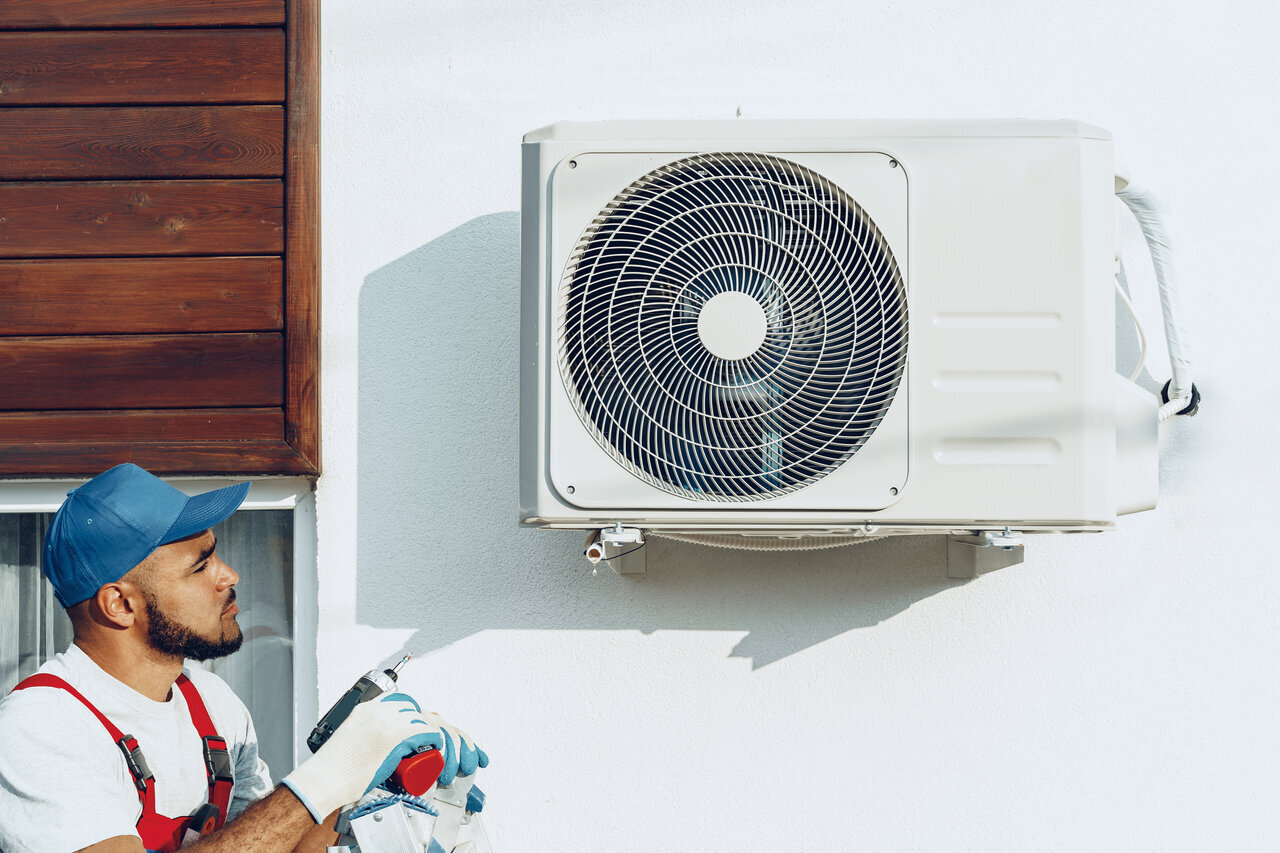

Selecting the right technicians for your heat pump needs is crucial to ensuring efficient performance and long-term reliability. The skills and expertise of our trained professionals significantly impact the installation and maintenance of your system. Our technicians offer a combination of extensive experience and specialized qualifications, ensuring that your heat pump operates at its best.
Our team is dedicated to providing solutions that cater to each homeowner's specific needs. This personalized approach enhances the system's efficiency and extends its lifespan.
By conducting thorough evaluations, our technicians design and implement solutions that seamlessly integrate with your home environment.
Focusing on quality and reliability is at the core of our service. We adhere to rigorous industry standards to guarantee high-quality installations and maintenance support, ensuring that your heat pump system delivers consistent comfort and energy savings.
Our technicians possess a wealth of qualifications and experience in handling heat pump systems, ensuring professional and competent service for every project.
Their extensive training encompasses all aspects of residential HVAC systems, equipping them with the necessary skills to address a wide range of heating and cooling needs. This expertise is vital to achieving optimal performance and longevity for your heat pump system.
A strong emphasis on ongoing education keeps our professionals abreast of the latest technological advancements and industry standards. Regular training sessions and workshops enable them to apply the latest techniques, providing efficient and innovative solutions tailored to each client’s requirements. Staying current with advancements not only strengthens their technical abilities but also improves the overall quality of service provided.
Our professionals' deep-rooted experience enables them to understand the intricacies of heat pump systems better, translating to higher efficiency and reliability. Their ability to troubleshoot and resolve issues quickly minimizes downtime and enhances system performance.
With extensive knowledge and skills, our technicians are well-equipped to handle any challenges encountered during installation or maintenance, ensuring your system operates seamlessly.
The commitment to continuous learning reinforces their role as trusted experts in the industry, providing peace of mind to homeowners, who can rely on their competence and dedication to delivering top-notch service.
Our technicians excel in providing customized heat pump solutions to meet the unique needs of each household. By carefully evaluating a homeowner’s specific requirements, our professionals ensure the heat pump system selected aligns perfectly with the property’s needs and usage patterns, promoting efficiency and comfort.
The process begins with a comprehensive assessment of the home’s layout and size and an evaluation of the existing HVAC system. This thorough analysis helps our professionals pinpoint the most suitable heat pump model and design configuration.
Considerations such as insulation quality, window placement, and daily energy demands are meticulously examined to avoid common pitfalls and enhance system performance.
Understanding the homeowner's preferences and lifestyle is an integral part of delivering tailored solutions. Through open communication, our technicians gather valuable insights regarding temperature preferences, energy-saving goals, and budget constraints.
This collaborative approach empowers them to devise a heat pump solution that satisfies personal preferences while ensuring optimal efficiency.
With a focus on personalized service, the methods employed ensure that each system seamlessly integrates into the home’s existing setup. This approach not only improves system performance but also maximizes energy savings and enhances overall comfort, making it an ideal choice for discerning homeowners who value precision and reliability in their heat pump solutions.
Our technicians uphold strict standards to deliver exceptional quality in every heat pump service they provide. Each step of the installation and maintenance process is conducted with precision and care, ensuring that every element meets rigorous industry benchmarks. This dedication guarantees not just immediate functionality but also long-term reliability.
During installation, our professionals focus on correct placements and connections to enhance the system's efficiency and effectiveness. Every component is handled with the utmost attention, adhering to safety protocols and technical guidelines. This meticulous approach minimizes potential issues and maximizes the heat pump's lifespan.
Regular maintenance services are carried out with a detailed checklist to prevent unexpected failures and ensure the system continues to operate optimally. Our technicians inspect each part of the heat pump, making necessary adjustments or repairs to maintain peak performance. By committing to such detailed service, we help homeowners avoid costly breakdowns and enjoy consistent comfort.
The focus on reliability extends beyond technical precision. Our professionals emphasize building trust with every client, fostering long-lasting relationships based on their dependable service and quality assurances.
Homeowners can rely on the consistent performance of their heat pump systems, safe in the knowledge that they are supported by a team adherent to the highest quality standards.
Our commitment to customer satisfaction is reflected in the comprehensive support we offer throughout the service lifecycle. Beginning with the initial consultation, our technicians maintain open communication to ensure all customer questions and concerns are addressed promptly and thoroughly. This transparency helps build confidence in our ability to deliver outstanding results tailored to each situation.
After installation or maintenance, we continue to support homeowners with follow-up services that include performance checks and additional guidance as needed.
Our professionals are trained to provide expert troubleshooting, ensuring quick resolution of any issues that might arise, thereby minimizing disruptions to the system's efficiency.
Our approach to customer service includes:
• Responsive Support: Availability to address inquiries promptly and effectively.
• Informative Guidance: Offering tips and advice on system operation and energy efficiency.
• Consistent Follow-Ups: Scheduled visits to assess system health and performance.
We believe that post-service engagement is crucial to guaranteeing customer satisfaction. This dedication to ongoing support fosters a sense of reliability and assurance among homeowners, assuring them that they can depend on our technicians for continued excellence in service and the optimal functioning of their heat pumps.
Choosing the right technicians for your heat pump needs ensures the performance, efficiency, and longevity of your system. Our professionals bring a blend of expertise, experience, and a commitment to quality that sets them apart in their field.
By providing tailored solutions, rigorous adherence to standards, and a focus on customer satisfaction, we meet the diverse needs of homeowners seeking reliable HVAC solutions.
Trust Presidential Ventilation Systems Ltd. to handle your heat pump needs with professionalism and care. Our knowledgeable technicians are ready to deliver personalized solutions and reliable support. Contact us today to experience the benefits of our heat pump services in Halifax and ensure your system operates at its best.
Selecting the right technicians for your heat pump needs is crucial to ensuring efficient performance and long-term reliability. The skills and expertise of our trained professionals significantly impact the installation and maintenance of your system. Our technicians offer a combination of extensive experience and specialized qualifications, ensuring that your heat pump operates at its best.
Our team is dedicated to providing solutions that cater to each homeowner's specific needs. This personalized approach enhances the system's efficiency and extends its lifespan.
By conducting thorough evaluations, our technicians design and implement solutions that seamlessly integrate with your home environment.
Focusing on quality and reliability is at the core of our service. We adhere to rigorous industry standards to guarantee high-quality installations and maintenance support, ensuring that your heat pump system delivers consistent comfort and energy savings.
Our technicians possess a wealth of qualifications and experience in handling heat pump systems, ensuring professional and competent service for every project.
Their extensive training encompasses all aspects of residential HVAC systems, equipping them with the necessary skills to address a wide range of heating and cooling needs. This expertise is vital to achieving optimal performance and longevity for your heat pump system.
A strong emphasis on ongoing education keeps our professionals abreast of the latest technological advancements and industry standards. Regular training sessions and workshops enable them to apply the latest techniques, providing efficient and innovative solutions tailored to each client’s requirements. Staying current with advancements not only strengthens their technical abilities but also improves the overall quality of service provided.
Our professionals' deep-rooted experience enables them to understand the intricacies of heat pump systems better, translating to higher efficiency and reliability. Their ability to troubleshoot and resolve issues quickly minimizes downtime and enhances system performance.
With extensive knowledge and skills, our technicians are well-equipped to handle any challenges encountered during installation or maintenance, ensuring your system operates seamlessly.
The commitment to continuous learning reinforces their role as trusted experts in the industry, providing peace of mind to homeowners, who can rely on their competence and dedication to delivering top-notch service.
Our technicians excel in providing customized heat pump solutions to meet the unique needs of each household. By carefully evaluating a homeowner’s specific requirements, our professionals ensure the heat pump system selected aligns perfectly with the property’s needs and usage patterns, promoting efficiency and comfort.
The process begins with a comprehensive assessment of the home’s layout and size and an evaluation of the existing HVAC system. This thorough analysis helps our professionals pinpoint the most suitable heat pump model and design configuration.
Considerations such as insulation quality, window placement, and daily energy demands are meticulously examined to avoid common pitfalls and enhance system performance.
Understanding the homeowner's preferences and lifestyle is an integral part of delivering tailored solutions. Through open communication, our technicians gather valuable insights regarding temperature preferences, energy-saving goals, and budget constraints.
This collaborative approach empowers them to devise a heat pump solution that satisfies personal preferences while ensuring optimal efficiency.
With a focus on personalized service, the methods employed ensure that each system seamlessly integrates into the home’s existing setup. This approach not only improves system performance but also maximizes energy savings and enhances overall comfort, making it an ideal choice for discerning homeowners who value precision and reliability in their heat pump solutions.
Our technicians uphold strict standards to deliver exceptional quality in every heat pump service they provide. Each step of the installation and maintenance process is conducted with precision and care, ensuring that every element meets rigorous industry benchmarks. This dedication guarantees not just immediate functionality but also long-term reliability.
During installation, our professionals focus on correct placements and connections to enhance the system's efficiency and effectiveness. Every component is handled with the utmost attention, adhering to safety protocols and technical guidelines. This meticulous approach minimizes potential issues and maximizes the heat pump's lifespan.
Regular maintenance services are carried out with a detailed checklist to prevent unexpected failures and ensure the system continues to operate optimally. Our technicians inspect each part of the heat pump, making necessary adjustments or repairs to maintain peak performance. By committing to such detailed service, we help homeowners avoid costly breakdowns and enjoy consistent comfort.
The focus on reliability extends beyond technical precision. Our professionals emphasize building trust with every client, fostering long-lasting relationships based on their dependable service and quality assurances.
Homeowners can rely on the consistent performance of their heat pump systems, safe in the knowledge that they are supported by a team adherent to the highest quality standards.
Our commitment to customer satisfaction is reflected in the comprehensive support we offer throughout the service lifecycle. Beginning with the initial consultation, our technicians maintain open communication to ensure all customer questions and concerns are addressed promptly and thoroughly. This transparency helps build confidence in our ability to deliver outstanding results tailored to each situation.
After installation or maintenance, we continue to support homeowners with follow-up services that include performance checks and additional guidance as needed.
Our professionals are trained to provide expert troubleshooting, ensuring quick resolution of any issues that might arise, thereby minimizing disruptions to the system's efficiency.
Our approach to customer service includes:
We believe that post-service engagement is crucial to guaranteeing customer satisfaction. This dedication to ongoing support fosters a sense of reliability and assurance among homeowners, assuring them that they can depend on our technicians for continued excellence in service and the optimal functioning of their heat pumps.
Choosing the right technicians for your heat pump needs ensures the performance, efficiency, and longevity of your system. Our professionals bring a blend of expertise, experience, and a commitment to quality that sets them apart in their field.
By providing tailored solutions, rigorous adherence to standards, and a focus on customer satisfaction, we meet the diverse needs of homeowners seeking reliable HVAC solutions.
Trust Presidential Ventilation Systems Ltd. to handle your heat pump needs with professionalism and care. Our knowledgeable technicians are ready to deliver personalized solutions and reliable support. Contact us today to experience the benefits of our heat pump services in Halifax and ensure your system operates at its best.

Are you constantly bouncing between two separate wall controllers, wondering if integrating HRV controls with smart home thermostats in modern builds is the secret to finally eliminating stale air and window condensation? If you live in a recently constructed, highly insulated home, you have likely noticed that keeping your indoor air fresh and dry feels like a full-time job. You turn up the heat on your main thermostat, only to realize hours later that the humidity has spiked, forcing you to walk down the hall and manually crank up the dial on your Heat Recovery Ventilator (HRV). This siloed approach to climate control is a common frustration for homeowners navigating the Nova Scotia winter heating season, where airtight construction traps excess moisture inside.
The concrete problem lies in how these systems are traditionally installed: as two entirely separate entities that do not speak to one another. The decision point for achieving true indoor comfort is configuring the low-voltage wiring so that your advanced thermostat can directly command the HRV unit. When professional technicians bridge this communication gap, your home benefits from unified, automated humidity and fresh air management. If you are looking to upgrade your home's climate ecosystem, exploring comprehensive HVAC services is the first step toward a system that operates seamlessly behind the scenes.
To understand why separate controllers fail to maintain comfortable indoor air quality, we have to look at how modern homes are constructed. Today's building codes mandate highly insulated, airtight envelopes designed to prevent heat loss and maximize energy efficiency. While this is excellent for reducing utility waste, it drastically lowers the home's natural Air Changes per Hour (ACH). In older, drafty homes, stale, humid air naturally escaped through gaps around windows and doors. In a modern build, that moisture has nowhere to go. Without mechanical intervention, everyday activities like cooking, showering, and even breathing cause indoor humidity levels to climb rapidly.
This trapped moisture becomes a significant liability during the Nova Scotia winter heating season. When warm, humid indoor air meets freezing window panes, extreme indoor-outdoor temperature differentials cause the moisture to condense instantly. Over time, this condensation pools on windowsills, damages drywall, and creates the perfect environment for mold growth. To combat this, modern building codes require mechanical ventilation, making professional HRV system installation a mandatory component of new residential construction. However, simply having an HRV installed does not guarantee it will run exactly when you need it to.
When an HRV is controlled by a basic, manual dial, the system relies entirely on human intervention. You have to notice the condensation forming, remember to turn the HRV on, and then remember to turn it back down once the air clears. This manual process is fundamentally flawed in an airtight home where humidity levels can spike in a matter of minutes.
Relying on a standalone dial to manage a mechanical ventilator introduces several daily frustrations and inefficiencies:
• Human error in tracking relative humidity: Most homeowners cannot accurately sense when indoor humidity crosses the critical 45-50% threshold until physical symptoms, like window condensation, have already appeared.
• Delayed response times: By the time you notice moisture spikes from a long shower or boiling pasta, the excess humidity has already begun settling into the home's fabrics and cold surfaces.
• The risk of over-ventilating: Forgetting to turn the manual dial back down means the HRV runs continuously on high, pulling in excessively dry, freezing outdoor air and forcing your heating system to work overtime to recover the lost thermal energy.
The solution to manual guesswork is low-voltage integration. Advanced HVAC controls, such as Daikin and Lennox advanced smart thermostats, possess the onboard logic to monitor indoor relative humidity alongside temperature. However, for these thermostats to actually do anything about high humidity, they must be physically and digitally linked to the HRV's control board. This is where professional integration methodologies come into play, bridging the gap between your primary heating equipment—like ducted heat pump systems—and your ventilation unit.
This communication happens via low-voltage wiring. Unlike the high-voltage lines that supply raw electrical power to the motors and compressors, low-voltage wires carry digital commands. When the smart thermostat detects that indoor humidity has exceeded your preferred setpoint, it sends a specific low-voltage signal down these dedicated communication wires. The HRV's control board receives this command and immediately initiates an air exchange cycle, exhausting the stale, moist indoor air and replacing it with fresh, filtered outdoor air that has been pre-warmed by the unit's thermal core.
Furthermore, professional integration allows for cycle synchronization. A properly configured smart thermostat can align the HRV's ventilation cycles with the heat pump's heating or cooling cycles. This synchronization maximizes energy efficiency because the freshly introduced outdoor air is immediately conditioned and distributed evenly throughout the ductwork, rather than dumping cold air into a stagnant room.
The physical connection between these systems relies on specific, dedicated terminals on the back of the thermostat and the HRV board.
1. Replacing manual commands: The thermostat utilizes Auxiliary (AUX) or Indoor Air Quality (IAQ) terminals to send automated digital signals, completely bypassing the need for a manual wall dial.
2. Precise terminal mapping: Professional technicians must carefully map the wiring between the thermostat's output terminals and the HRV's external control inputs, ensuring the voltage matches and the signals are interpreted correctly by the manufacturer's logic board.
3. Avoiding system conflicts: Bypassing the manufacturer's intended control logic or splicing wires incorrectly can cause system conflicts, where the heat pump and HRV attempt to operate independently, leading to short-cycling or blown fuses.

The daily operational differences between a fully integrated smart climate ecosystem and a disjointed setup with separate controllers are night and day. When Daikin and Lennox advanced smart thermostats are properly wired to command your ventilation, the user experience transforms from reactive to entirely proactive. You no longer have to act as the middleman between your heating system and your fresh air supply. Instead, you interact with one central interface, setting your desired temperature and humidity levels once, and letting the automated logic handle the rest.
When systems are isolated, they frequently work at cross-purposes. For example, if you manually turn your HRV to its highest setting during a cold snap, you are introducing a large volume of cold air into the home. If your heat pump's thermostat is unaware of this sudden ventilation demand, it may struggle to keep up, leading to cold spots and decreased comfort. A unified system prevents this by anticipating the temperature drop and adjusting the heating output simultaneously, ensuring consistent comfort.
Beyond daily convenience, unified systems offer substantial long-term benefits for your home's indoor air quality and the lifespan of your mechanical equipment. When components operate harmoniously, they experience less wear and tear from short-cycling or over-working. Additionally, a central smart thermostat can track runtime hours for both the heat pump and the ventilator, providing unified reminders when it is time to change filters, clean the core, or schedule a professional service to maintain your HRV.
• Humidity Management — Unified Smart Ecosystem: Fully automated based on real-time sensor data. — Separate Controllers: Requires manual adjustment by the homeowner.
• User Interface — Unified Smart Ecosystem: One central screen or smartphone app. — Separate Controllers: Multiple confusing dials and wall panels.
• System Synchronization — Unified Smart Ecosystem: Heating and ventilation cycles align for efficiency. — Separate Controllers: Systems operate blindly, often fighting each other.
• Condensation Prevention — Unified Smart Ecosystem: Proactive; reacts before moisture pools on windows. — Separate Controllers: Reactive; usually adjusted after condensation forms.
• Maintenance Tracking — Unified Smart Ecosystem: Unified digital alerts for all connected equipment. — Separate Controllers: Relies on physical calendars or memory.
Achieving this level of seamless automation is not a matter of simply plugging a wire into a wall. Integrating low-voltage wiring across different mechanical systems requires a deep understanding of both electrical pathways and HVAC control logic. When homeowners attempt to hire third-party electricians who lack specialized ventilation training, or HVAC installers who are not licensed for complex electrical routing, the integration often fails. An electrician might know how to run the wire safely to code, but they may not understand how to configure the thermostat's installer menu to recognize the specific HRV model. Conversely, a basic installer might understand the airflow but lack the qualifications to alter the home's electrical runs.
Because Presidential Ventilation Systems operates both Red Seal HVAC and electrical divisions under one roof, we understand the specific low-voltage wiring and control configurations required to unify complex systems. Backed by over 30 years of experience serving Nova Scotia, our in-house teams collaborate seamlessly. We do not have to rely on outside contractors to finish a job, which means there is no miscommunication between the person installing your ductless heat pumps and the person wiring your fresh air system.
Professional integration ensures absolute safety and protects your investment. Incorrectly mapping low-voltage wires can easily send the wrong signal to a sensitive control board, instantly shorting out a component that costs hundreds of dollars to replace. Furthermore, manufacturers require that these advanced systems be installed and configured by certified professionals using approved methods. Attempting a DIY wiring job or hiring an uncertified handyman will almost certainly void the warranties on both your smart thermostat and your HRV unit. This level of technical configuration is strictly for licensed professionals who understand the nuances of dual-trade installations.
Yes, provided the thermostat has dedicated auxiliary (IAQ) terminals and the HRV board supports external low-voltage commands. Advanced models, like Daikin and Lennox advanced smart thermostats, are specifically designed with these capabilities. However, older or basic smart thermostats that only manage standard heating and cooling stages cannot control an HRV without a separate module or an upgrade.
This requires a licensed professional to route low-voltage communication wiring between the HRV's control board and the thermostat's specific auxiliary terminals. Once the physical wires are mapped correctly, the technician must enter the thermostat's locked installer settings to digitally configure the system to recognize and command the ventilator. Because of the risk of shorting expensive control boards, this is never a DIY project.
Common causes include incorrect terminal mapping, severed low-voltage wires inside the walls, or a failure to properly configure the thermostat's digital installer settings to recognize the attached HRV. If the systems were installed by different contractors at different times, they may simply be incompatible without an integration module. A dual-trade professional can diagnose the communication failure and restore the connection.
Not if your primary thermostat is advanced enough to handle unified climate commands and has been professionally integrated with the HRV. A unified setup allows you to remove the confusing, separate wall dial entirely, managing your home's temperature, humidity, and fresh air exchanges from one central touchscreen or smartphone application.
By monitoring indoor relative humidity and automatically triggering the HRV to exchange stale, moist indoor air for drier outdoor air when levels exceed your programmed setpoint. The thermostat acts as the brain, constantly reading the room's moisture levels and sending a low-voltage command to the ventilator the moment the air begins to feel clammy or reaches condensation thresholds.
Not if the integration is performed by certified professionals using manufacturer-approved wiring methods and compatible equipment. In fact, major manufacturers encourage unified control systems when installed correctly. However, DIY wiring attempts or using unapproved third-party relays can cause electrical shorts that will immediately void the warranties on both units.
A unified smart home climate system eliminates the daily guesswork of manual adjustments, ensuring your airtight modern home remains comfortable, fresh, and free of winter window condensation. By allowing an advanced thermostat to directly command your HRV, you protect your home's structural integrity from moisture damage while maximizing the energy efficiency of your heating equipment. The secret to this seamless operation is ensuring the complex low-voltage communication is configured perfectly from day one.
Having a single, expert team handle both the HVAC and electrical requirements is vital for a safe, code-compliant installation. With our Red Seal HVAC and electrical tradespeople working together, you never have to worry about miscommunication between contractors or voided warranties. If you are planning a new build, undergoing a major renovation, or simply want to upgrade your current disjointed setup, a professional assessment is the best place to start. (Note that various provincial rebates may be available for energy-efficiency upgrades, though programs and eligibility can change; we recommend confirming current details with our team). Contact Presidential Ventilation Systems today to request a free estimate and discover how a unified climate ecosystem can transform your home's indoor air quality.

In our 30+ years of serving Nova Scotia, our commercial installation team frequently hears the same frustrating paradox from facility managers: half the building is uncomfortably hot, while the other half is freezing. Utilizing Heat Recovery VRF Systems for Simultaneous Heating and Cooling in Office Buildings solves this exact problem by modernizing how thermal energy moves through a structure. Traditional commercial HVAC setups often struggle to balance interior zones—like a crowded, heat-generating boardroom—with exterior zones exposed to the elements. The result is a constant stream of tenant temperature complaints and wasted energy as the system fights itself to maintain an impossible equilibrium.
Deciding to retrofit traditional, inefficient commercial HVAC setups with modern Variable Refrigerant Flow (VRF) technology represents a major turning point for building efficiency. Instead of simply generating new heat or chilled air, these advanced systems capture extracted heat from cooling zones and redistribute it to heating zones. If you are exploring commercial heating services to upgrade an aging facility, understanding how this thermal transfer works is the first step toward a permanent solution.
What our team typically sees in Mount Uniacke and greater Nova Scotia office buildings is that standard rooftop units and VAV (Variable Air Volume) boxes simply cannot keep up with diverse zone demands. During our unpredictable shoulder seasons and harsh winters, the perimeter of a building loses heat rapidly through the glass, while the core of the building accumulates heat from servers, copiers, and dense human occupancy. Traditional systems either cool the whole building or heat the whole building. When a traditional system tries to do both, it often relies on inefficient electric reheat strips, driving operational costs through the roof.
• Zone Control — Traditional Commercial HVAC (VAV/RTU): Broad zones, often leading to over-conditioning. — Heat Recovery VRF Technology: Hyper-localized microclimates for individual offices.
• Energy Transfer — Traditional Commercial HVAC (VAV/RTU): Expels waste heat outdoors, generating new heat elsewhere. — Heat Recovery VRF Technology: Captures waste heat from one zone to warm another.
• Efficiency Profile — Traditional Commercial HVAC (VAV/RTU): Lower part-load efficiency; compressors run at fixed speeds. — Heat Recovery VRF Technology: Exceptional IEER ratings due to inverter-driven compressors.
• Tenant Comfort — Traditional Commercial HVAC (VAV/RTU): Frequent hot/cold spots and temperature swings. — Heat Recovery VRF Technology: Consistent, simultaneous heating and cooling across the floorplan.
By moving heat rather than constantly generating it, facility managers can drastically reduce their energy consumption while finally putting an end to the daily thermostat wars.
To understand how this technology transforms a building, it helps to look at the fundamental mechanics at play. As an established HVAC and electrical contractor, we often find that the distinction between standard heat pump systems and heat recovery systems is misunderstood by property owners. A standard heat pump VRF system is highly efficient, but it can only heat or cool a building at one time. A heat recovery VRF system, however, can perform both functions simultaneously across different zones on the exact same refrigerant loop. For a deeper dive into the broader technology, you can review our comprehensive guide to VRV HVAC systems.
The process of simultaneous conditioning relies on a few critical engineering components working in perfect synchronization:
1. Inverter-Driven Compressors: As a Daikin Comfort Pro, our team frequently installs these advanced compressors. Unlike traditional units that slam on at 100% capacity and then shut off, inverter compressors operate on a variable frequency drive to smoothly match the building's fluctuating load requirements in real-time.
2. Refrigerant State Manipulation: The system moves thermal energy by changing the state of the refrigerant from a high-pressure gas (which releases heat) to a low-pressure liquid (which absorbs heat).
3. Thermal Extraction: When a crowded interior room requires cooling, the indoor unit absorbs the ambient heat into the refrigerant line.
4. Thermal Redistribution: Instead of pumping that absorbed heat all the way back to the outdoor condenser to be wasted, the system intercepts it and routes it to a perimeter office that is currently calling for heat.
The magic of simultaneous heating and cooling happens inside the branch selector box (also known as a branch controller). Depending on the manufacturer, these utilize either a specialized 2-pipe or a robust 3-pipe system design. The 3-pipe design features dedicated lines for high-pressure gas (heating), low-pressure gas (cooling return), and liquid refrigerant.
The traffic cop of thermal energy: The branch selector box sits between the outdoor condensing unit and the indoor air handlers. It acts as an intelligent intersection. When a thermostat in Zone A calls for cooling, the controller routes liquid refrigerant to that indoor unit. As the refrigerant absorbs heat and turns into a gas, the controller evaluates the rest of the building. If Zone B is calling for heat, the controller diverts that hot gas directly to Zone B instead of sending it outside.
This localized redistribution is where the massive efficiency gains occur. By repurposing waste heat rather than expelling it outdoors via the condenser, the outdoor unit's compressor doesn't have to work nearly as hard. The building essentially heats itself using the thermal energy generated by its own occupants and equipment.

Regional weather patterns dictate how a building's HVAC system must perform, and our commercial clients know firsthand that Nova Scotia's fluctuating maritime climate presents unique challenges. The unpredictable nature of our shoulder seasons and winters mandates simultaneous heating and cooling, making heat recovery a necessity rather than a luxury for modern commercial spaces. During the spring and fall, outdoor temperatures can swing wildly from morning to afternoon, creating distinct microclimates within a single building.
The solar gain challenge: Consider a building with a large expanse of south-facing windows. Even on a crisp, 10°C October morning, the direct solar gain pouring through the glass can quickly drive the temperature in those offices up to 26°C. Those south-facing rooms desperately need cooling. Meanwhile, the north-facing walls of the same building are being battered by cold maritime winds, receiving no direct sunlight, and requiring constant heating to remain comfortable.
Internal heat loads: Beyond the exterior weather, modern office buildings generate massive amounts of internal heat. Dense occupancy in interior zones, such as server rooms, large conference centers, and open-plan workspaces, creates a continuous cooling demand. This internal heat load often offsets the exterior cold entirely in the core of the building.
If a facility relies on a standard system, the facility manager must constantly toggle between heating and cooling modes, leaving half the building unsatisfied. Heat recovery VRF creates localized microclimates, allowing individual offices to set their own temperatures independently. The system simply harvests the heat from the sun-baked southern offices and the crowded interior conference rooms, and pipes it directly to the shivering employees on the northern perimeter. Upgrading to commercial heat pump systems with recovery capabilities ensures that every zone is treated as its own independent environment.
Looking beyond mechanical airflow, a successful commercial retrofit requires comprehensive structural and electrical planning. Swapping out a rooftop unit is one thing; retrofitting an older commercial building with a sprawling VRF network requires extensive coordination. This is where having integrated trades working in tandem becomes critical. With approximately 70 employees spanning our HVAC, electrical, and sheet-metal divisions, Presidential Ventilation Systems has the in-house expertise to prevent the costly project delays that happen when sub-contractors fall out of sync.
A major consideration is the existing ductwork. In some retrofits, the existing sheet metal can be integrated with new ducted VRF air handlers. In other scenarios, the old ductwork is too degraded or improperly sized for the precise airflow requirements of modern equipment. Our dedicated sheet-metal division frequently fabricates custom transitions to blend the new high-efficiency equipment seamlessly into the building's existing architecture. If you are considering ducted heat pump systems for your commercial space, our team will perform a thorough static pressure and airflow assessment before any equipment is ordered.
The most commonly overlooked aspect of a commercial HVAC retrofit is the electrical infrastructure. Modern inverter-driven compressors are incredibly efficient, but they require specific electrical parameters to operate safely and effectively.
• Assessing Current Building Load: Our licensed electricians frequently encounter older commercial buildings with electrical panels that are maxed out or utilizing outdated voltages. A full load calculation must be performed to ensure the existing service can handle the new VRF condensers and branch controller boxes.
• Safety and Compliance: Commercial electrical upgrades during an HVAC retrofit involve running new dedicated circuits, installing appropriate disconnects, and ensuring everything meets current commercial electrical codes.
• Seamless Integration: Because we handle both the mechanical and electrical scopes in-house, the transition from pulling wire to brazing refrigerant lines happens concurrently, minimizing downtime for the building's tenants.
The long-term operational cost benefits of heat recovery systems are undeniable, largely due to how they perform under part-load conditions. In the commercial HVAC industry, efficiency is measured by the Integrated Energy Efficiency Ratio (IEER). Unlike older EER ratings that only measured efficiency at peak load (the hottest day of the year), IEER calculates how efficiently the system runs across a variety of partial loads. Because buildings rarely operate at 100% capacity, IEER is a much more accurate reflection of real-world energy costs.
Heat recovery VRF systems achieve exceptionally high IEER ratings for two reasons. First, the inverter compressors only consume the exact amount of electricity needed to meet the current demand—they never overwork. Second, by repurposing internal heat, the system drastically reduces the overall electrical load drawn from the grid. The outdoor condenser stays offline or runs at a bare minimum while the branch selector boxes simply shuffle existing thermal energy around the building.
Aligning with sustainability goals: For property owners looking to modernize their portfolios, these efficiencies align perfectly with commercial building energy standards and corporate sustainability goals. Reducing the building's carbon footprint makes the property more attractive to high-tier commercial tenants who prioritize green initiatives.
Furthermore, commercial rebates and incentives are often available for high-efficiency retrofits, particularly when replacing older, carbon-heavy heating systems. It is important to note that rebate programs, eligibility requirements, and funding pools frequently change, so we recommend confirming current programs with Presidential Ventilation Systems. When you reach out for comprehensive HVAC services, our team can help you navigate the current landscape of commercial incentives to maximize your return on investment. With our extensive commercial construction and retrofit experience, we ensure that the equipment specified meets the exact criteria required by local and federal efficiency programs.
A heat recovery VRF system heats and cools simultaneously by moving thermal energy between different zones inside the building rather than just relying on the outdoor condenser. It uses a branch selector box to route hot, high-pressure refrigerant gas to rooms that need heating, and low-pressure liquid refrigerant to rooms that need cooling. This allows one continuous system to absorb heat from a warm room (like a server room) and transfer that exact same heat to a cold room (like a perimeter office). In our experience performing commercial retrofits across Nova Scotia, this localized heat transfer is the most efficient way to manage varying building loads.
The primary difference lies in simultaneous operation capabilities. A standard heat pump VRF system can provide either heating or cooling to the entire building, but all connected indoor units must operate in the same mode at the same time. A heat recovery VRF system utilizes specialized branch controllers and a complex piping design (often 3-pipe) to allow some indoor units to heat while others cool simultaneously. Our team typically recommends heat recovery systems for large commercial buildings with diverse microclimates, while standard heat pump VRF is better suited for open-plan spaces with uniform temperature needs.
Yes, VRF technology is exceptionally well-suited for commercial buildings due to its modular design, zoning capabilities, and high energy efficiency. It allows facility managers to eliminate hot and cold spots by providing individualized temperature control for different offices, boardrooms, and common areas. Additionally, because the refrigerant piping is much smaller than traditional bulky ductwork, our installers find it much easier to retrofit into older commercial spaces with limited ceiling clearance. The long-term operational savings and improved tenant satisfaction make it a strong investment for commercial properties.
In a commercial HVAC context, a heat recovery system works by capturing waste thermal energy and repurposing it elsewhere in the facility. When an indoor unit operates in cooling mode, it extracts ambient heat from the room's air. Instead of pumping that heat outside to be released into the atmosphere, the system intercepts the heated refrigerant and redirects it to another zone that currently requires warming. This continuous recycling of thermal energy significantly reduces the workload on the main outdoor compressors, lowering overall electricity consumption.
A commercial VRF retrofit frequently requires upgrading the main electrical panel to support the specific voltage and amperage requirements of modern inverter-driven outdoor condensers. Additionally, new dedicated circuits must be run to the outdoor units, the indoor air handlers, and the branch selector boxes. Because these systems rely on complex communication wiring between all components, the electrical infrastructure must be meticulously planned and installed to meet commercial code. This is why utilizing a contractor like Presidential Ventilation Systems, with integrated HVAC and electrical divisions, ensures a safer, more compliant installation.
Solving tenant temperature complaints requires a holistic approach to building climate control, not just a series of spot-fixes. Utilizing Heat Recovery VRF Systems for Simultaneous Heating and Cooling in Office Buildings offers a permanent, energy-efficient solution to the hot-and-cold dilemma. By repurposing waste heat and creating individualized microclimates, facility managers can dramatically improve tenant comfort while lowering operational costs, even during the most unpredictable Nova Scotia shoulder seasons and winters.
However, successful implementation demands an experienced contractor with both mechanical and electrical expertise to handle the complex infrastructure requirements. If your commercial building is struggling with inefficient temperature control, aging equipment, or high energy bills, a professional assessment is the critical next step. Contact Presidential Ventilation Systems today to request a free estimate and determine if your facility is a strong candidate for a modern heat recovery VRF upgrade.