


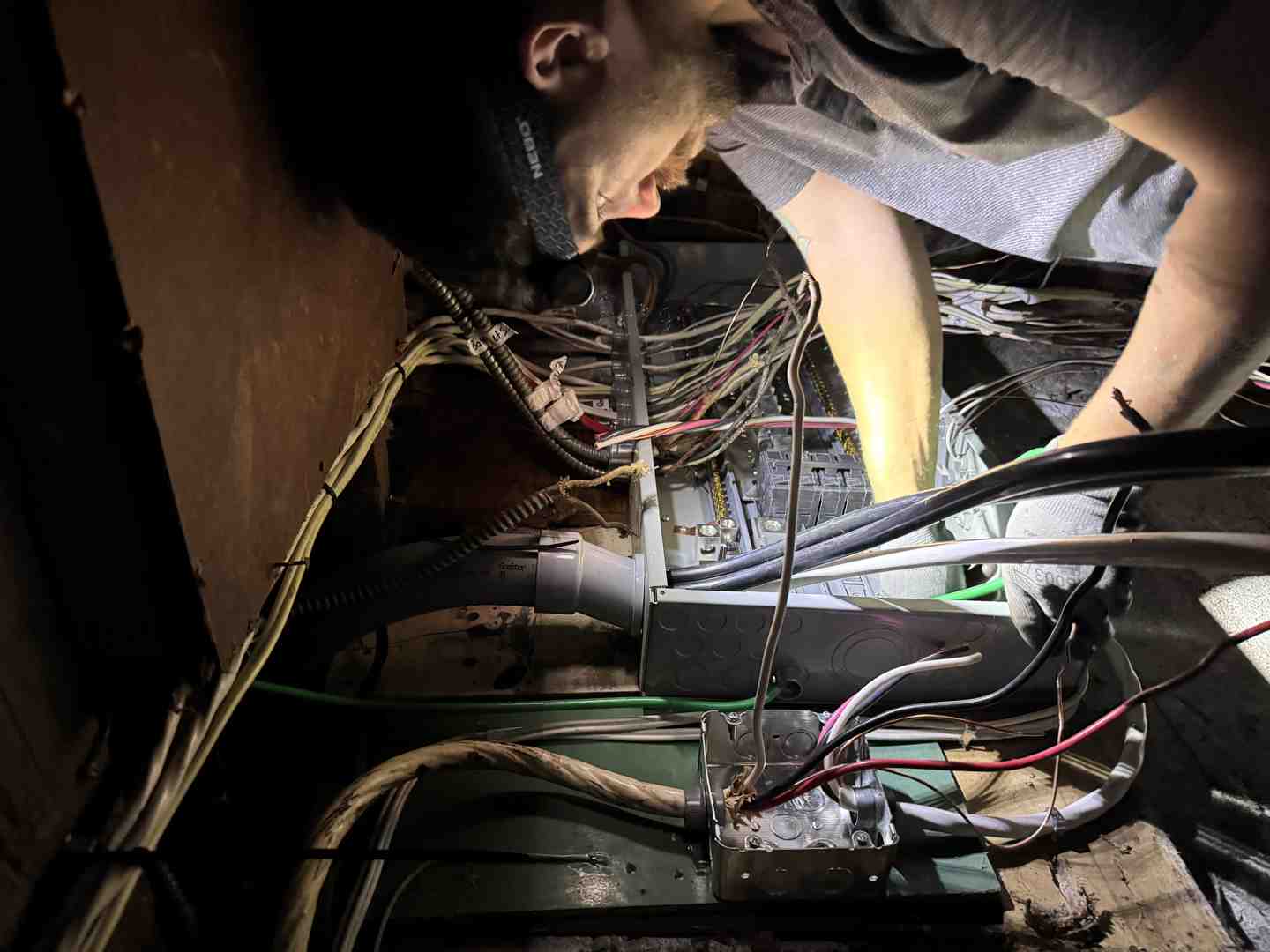
When you need the best electrical in burnside, ns, you're looking for more than just someone to flip a breaker. Burnside Industrial Park is home to hundreds of businesses, and the surrounding residential areas depend on safe, reliable power every single day. Whether you're upgrading an outdated panel, wiring a new commercial facility, or installing an EV charger at home, choosing the right electrician affects your safety and how long your electrical systems will last.
Expert Electrical Solutions in Burnside:
With over 30 years of experience, our team specializes in residential and commercial projects, providing comprehensive services from panel upgrades to EV chargers. As a trusted partner in the community and an Efficiency Nova Scotia partner, we focus on delivering high-quality workmanship for new construction, heat pump installations, and green energy projects. Our expertise ensures that every installation meets the highest standards of safety and efficiency.
For comprehensive heating, cooling, and electrical services in Dartmouth, NS, connect with trusted local professionals who understand both residential and commercial needs. If you're ready to upgrade your electrical system, explore panel upgrade options designed for modern power demands.
Our team is fully licensed, insured, and familiar with the Canadian Electrical Code and Nova Scotia's specific requirements. We handle everything from simple outlet installations to complex industrial power systems and energy-efficient upgrades like solar panels and smart home technology.
When we consider the diverse needs of Burnside, Dartmouth, NS, and its surrounding areas like Halifax, Lower Sackville, and Bedford, a comprehensive range of electrical services is essential. From ensuring your home is safely powered to keeping your business operations running smoothly, reliable electrical work forms the backbone of our daily lives.
One of the most fundamental services we offer is panel upgrades. As technology advances and our homes and businesses demand more power, older electrical panels often struggle to keep up. Upgrading your electrical panel ensures your system can handle modern loads, preventing frequent breaker trips and enhancing safety. It’s a crucial step for any renovation or the addition of new, high-power appliances.
Beyond panel upgrades, our electrical hookup services cover everything from connecting new appliances to setting up temporary power for construction sites. We handle all aspects of wiring installations, whether it's for new construction, renovations, or adding new circuits. This includes precise grounding wire installation, crucial for safety and system protection.
Lighting systems are another area where our expertise shines. We install and maintain various lighting solutions, from basic light fixture installation and electric switch installation in homes to complex commercial lighting upgrades and safety lighting installations in industrial settings. Outdoor lighting fixture installation can improve security and aesthetics for both residential and commercial properties.
For businesses and specialized residential needs, we also provide services like electric ballast changes, circuit breaker panel wiring, and comprehensive electrical maintenance. Regular electrical inspection is vital for identifying potential issues before they become major problems, ensuring the longevity and safety of your electrical infrastructure. Our commitment to providing top-tier electrical services in Dartmouth, NS means we’re always ready to tackle any project, big or small. For those planning future projects, consulting an electrical wiring guide 2025 can offer valuable insights into upcoming standards and best practices.
The world of electrical technology is constantly evolving, and Burnside is no exception to this trend. We understand that modern homes and businesses require specialized electrical solutions that go beyond traditional wiring. That's why we offer advanced services designed to meet contemporary demands for efficiency, convenience, and sustainability.
One of the most talked-about advancements is EV charging. With the growing popularity of electric vehicles, having a reliable and efficient EV charger installation at home or your business is becoming a necessity. We can help you choose and install the right charging station, ensuring it's safely integrated into your electrical system.
Solar power is another area where we provide expert solutions. Installing solar panel solutions not only helps reduce your carbon footprint but can also significantly lower your energy bills. We work with homeowners and businesses to design and implement solar energy systems custom to their specific needs, often leveraging partnerships with programs like Efficiency Nova Scotia to maximize benefits.
Backup power solutions, such as generators, offer peace of mind during Nova Scotia’s unpredictable weather events. We can install partial or whole-home generator solutions to keep your essential systems running when the grid goes down. While we don't have a specific link for Generac, we can certainly discuss the benefits of reliable backup power.
Heat pump wiring is increasingly in demand as more people turn to these energy-efficient heating and cooling systems. Proper installation and wiring are crucial for their optimal performance. Additionally, the integration of smart home technology, including audio wiring and home automation systems, allows for greater control and convenience, making your living or working space more intuitive and efficient. Our expertise extends to a broad range of areas, including electrical services in Bedford, NS, where similar specialized needs are prevalent.
Burnside Industrial Park is a hub of commercial and industrial activity, and the electrical needs of these facilities are often complex and demanding. We specialize in providing robust industrial and commercial electrical work designed to support the continuous operations of businesses in Burnside and beyond.
Our services include comprehensive commercial electrical repairs, ensuring that any disruptions are minimized and systems are restored quickly and safely. We handle large-scale power systems, including new construction wiring, panel upgrades, and service upgrades to accommodate heavy machinery and complex operational demands. For businesses in areas like Bedford, our commercial electrical Bedford NS guide highlights our extensive capabilities.
Beyond power, communication systems are vital for modern businesses. We install and maintain CAT5 wiring, CAT6 wiring, and fiber optics, providing the backbone for efficient data transfer and connectivity. Security and alarm systems and voice & data wiring are also part of our commercial offerings, contributing to a safe and well-connected work environment.
Preventative electrical maintenance is key to avoiding costly downtime. We offer custom maintenance plans to regularly inspect and service electrical systems, including thermostatic inspections, thermography, and infrared scanning, to detect potential issues before they escalate. Our goal is to ensure that commercial and industrial facilities operate efficiently and safely, supporting productivity and protecting investments.
Selecting the right electrician for your residential or commercial needs in Burnside, Dartmouth, or any of our service areas like Lower Sackville, Bedford, or Fall River, is a decision that shouldn't be taken lightly. It’s about ensuring safety, quality, and peace of mind.
First and foremost, we always emphasize the importance of proper licensing and insurance. In Nova Scotia, electrical contractors must be licensed by the Nova Scotia Department of Labour and Advanced Education. This ensures they meet specific standards of competence and adhere to the Canadian Electrical Code and local safety regulations. Our team is fully licensed and carries comprehensive liability insurance and workers' compensation. This protects both our technicians and your property in case of any unforeseen incidents. Understanding electrical safety services Canada is a good starting point for appreciating these requirements.
Workmanship warranties are another critical factor. A reliable electrician will stand behind their work, offering a warranty on their services. This demonstrates confidence in craftsmanship and provides you with an assurance of quality. Always ask about the warranty period and what it covers.
Once you’ve confirmed licensing and insurance, we recommend verifying the quality and reputation of your service provider. Start by checking customer reviews and testimonials. Platforms that allow clients to share their experiences can offer valuable insights into an electrician's reliability, professionalism, and quality of work. For general advice on making informed choices, checking for best electrical tips Bedford NS can also be helpful.
When evaluating potential electricians, consider their experience, especially with projects similar to yours. Ask for references and take the time to contact them. A reputable professional will be happy to provide examples of their past work and satisfied clients.
Choosing local electricians for your projects in Burnside and surrounding communities offers distinct advantages. We believe in supporting local expertise and understand the unique benefits it brings.
Local electricians have an intimate understanding of the area’s specific electrical codes, regulations, and even common issues. They are familiar with the infrastructure of Burnside Industrial Park and the residential areas of Dartmouth, Halifax, and other nearby locations like electrical services in Lower Sackville, NS and electrical services in Fall River, NS. This local knowledge can lead to more efficient service and solutions that are perfectly suited to the regional context.
Proximity is another significant benefit. Local experts can often respond more quickly to inquiries and scheduled appointments. They are part of the community, building trust and long-term relationships with clients. This community focus often translates into a higher level of personal service and accountability. We pride ourselves on being a trusted local partner, committed to the well-being of our neighbours and businesses.
Both the busy Burnside Industrial Park and the tranquil residential neighbourhoods of Dartmouth, Halifax, and our other service areas like Timberlea and Eastern Passage, share some common electrical needs, while also presenting their own unique challenges. Understanding these helps us to provide the most effective and targeted solutions.
In older homes, a prevalent concern is aluminum wiring remediation. Aluminum wiring, commonly installed between 1965 and 1978, can pose fire hazards due to its tendency to expand and contract more than copper, leading to loose connections. Addressing this issue is crucial for safety and brings homes up to modern electrical standards.
Many properties, both residential and commercial, often require an electrical service upgrade. As we add more appliances, technology, and specialized equipment, older 60-amp or 100-amp services may no longer be sufficient. Upgrading to a 200-amp service ensures adequate power supply and prevents overloading.
For residents in areas like electrical services in Timberlea, NS and electrical services in Eastern Passage, NS, managing energy consumption is a priority. This is where services like home energy assessments come into play. A comprehensive home energy assessment can identify areas where energy is being wasted and recommend electrical upgrades that lead to significant savings. This might include optimizing hot water tanks, converting from oil heat, or installing ETS (Electric Thermal Storage) units to take advantage of time-of-day power rates.
Beyond these, common needs include installation and maintenance of security and alarm systems, as well as voice and data wiring for robust internet and communication. For those with recreational amenities, proper pool and hot tub hookups are essential for safety and enjoyment. We also handle general electrical repairs, installations, and troubleshooting for everyday electrical issues that arise in any property.
We often hear similar questions from our clients in Burnside, Dartmouth, and across the HRM. Let's address some of the most common ones to help you make informed decisions about your electrical needs.
Yes, generally, most electrical work in Nova Scotia requires permits and subsequent safety inspections. This is a crucial step to ensure that all electrical installations and modifications comply with the Canadian Electrical Code and local regulations, safeguarding your property and everyone within it. Our experienced team handles the entire permit process, from application to inspection, ensuring your project meets all necessary standards. For a more detailed understanding of the process, you can consult our Electrical Bedford NS complete guide or the Electrical guide Lower Sackville NS, which cover these requirements comprehensively. Skipping the permit process can lead to significant problems down the line, including safety hazards, insurance issues, and difficulties when selling your property.
There are several tell-tale signs that your electrical panel might be due for an upgrade. If you experience frequent circuit breaker trips or blown fuses, it's a strong indicator that your current panel is overloaded or outdated. Flickering lights or outlets that inconsistently provide power can also suggest an issue. If your home has a panel rated below 200 amps and you've added modern appliances, high-power devices like EV chargers, hot tubs, or heat pumps, your system might not be able to handle the increased demand. Furthermore, if your panel is older than 20 years, especially if it's a fuse box or an outdated breaker panel, it's likely a good candidate for an upgrade to improve safety and efficiency. We offer comprehensive inspections to determine if a panel upgrade signs are present and can guide you through the process, ensuring your home in areas like electrical services in Middle Sackville, NS is equipped for modern electrical demands.
The move towards sustainable and energy-efficient solutions is gaining momentum, and we are at the forefront of providing specialized green energy services to Burnside and our wider service areas, including Halifax, Dartmouth, and electrical services in Indigo Shores, NS. We offer expert solar panel solutions, helping homeowners and businesses harness renewable energy to reduce their reliance on the grid and lower their electricity bills.
Another rapidly growing service is EV charger installation. As electric vehicles become more common, having a dedicated charging station at your home or workplace is essential for convenience and efficiency. We ensure these installations are safe, code-compliant, and optimized for your specific needs.
We also work with clients on energy storage solutions, which allow you to store excess energy generated from solar panels or off-peak grid power for use during peak times or outages. These systems contribute to greater energy independence and resilience. Collaborating with organizations like Efficiency Nova Scotia is key to delivering these solutions, helping our clients take advantage of available programs and incentives for energy-efficient upgrades.
Finding the best electrical in burnside, ns means partnering with professionals who prioritize safety, quality, and customer satisfaction. The diverse and demanding electrical landscape of Burnside, from its industrial park to its surrounding residential communities, requires expertise that spans traditional wiring to advanced green energy solutions.
At Presidential Ventilation Systems, we bring over 30 years of experience to every project. As a leading Daikin Comfort Pro Dealer, our commitment extends beyond heating and cooling to comprehensive electrical and insulation services. We understand the unique needs of residential and commercial clients across Nova Scotia, including Halifax, Dartmouth, Lower Sackville, and Bedford. Our team is dedicated to delivering exceptional service, long-lasting solutions, and helping you achieve energy savings.
Whether you're looking for routine maintenance, a critical panel upgrade, specialized EV charging installation, or robust commercial electrical solutions, we are here to ensure your electrical systems are safe, efficient, and reliable. For all your electrical services in Dartmouth, NS, trust our experienced team to provide the expert care you deserve.

When you need the best electrical in burnside, ns, you're looking for more than just someone to flip a breaker. Burnside Industrial Park is home to hundreds of businesses, and the surrounding residential areas depend on safe, reliable power every single day. Whether you're upgrading an outdated panel, wiring a new commercial facility, or installing an EV charger at home, choosing the right electrician affects your safety and how long your electrical systems will last.
Expert Electrical Solutions in Burnside:
With over 30 years of experience, our team specializes in residential and commercial projects, providing comprehensive services from panel upgrades to EV chargers. As a trusted partner in the community and an Efficiency Nova Scotia partner, we focus on delivering high-quality workmanship for new construction, heat pump installations, and green energy projects. Our expertise ensures that every installation meets the highest standards of safety and efficiency.
For comprehensive heating, cooling, and electrical services in Dartmouth, NS, connect with trusted local professionals who understand both residential and commercial needs. If you're ready to upgrade your electrical system, explore panel upgrade options designed for modern power demands.
Our team is fully licensed, insured, and familiar with the Canadian Electrical Code and Nova Scotia's specific requirements. We handle everything from simple outlet installations to complex industrial power systems and energy-efficient upgrades like solar panels and smart home technology.
When we consider the diverse needs of Burnside, Dartmouth, NS, and its surrounding areas like Halifax, Lower Sackville, and Bedford, a comprehensive range of electrical services is essential. From ensuring your home is safely powered to keeping your business operations running smoothly, reliable electrical work forms the backbone of our daily lives.
One of the most fundamental services we offer is panel upgrades. As technology advances and our homes and businesses demand more power, older electrical panels often struggle to keep up. Upgrading your electrical panel ensures your system can handle modern loads, preventing frequent breaker trips and enhancing safety. It’s a crucial step for any renovation or the addition of new, high-power appliances.
Beyond panel upgrades, our electrical hookup services cover everything from connecting new appliances to setting up temporary power for construction sites. We handle all aspects of wiring installations, whether it's for new construction, renovations, or adding new circuits. This includes precise grounding wire installation, crucial for safety and system protection.
Lighting systems are another area where our expertise shines. We install and maintain various lighting solutions, from basic light fixture installation and electric switch installation in homes to complex commercial lighting upgrades and safety lighting installations in industrial settings. Outdoor lighting fixture installation can improve security and aesthetics for both residential and commercial properties.
For businesses and specialized residential needs, we also provide services like electric ballast changes, circuit breaker panel wiring, and comprehensive electrical maintenance. Regular electrical inspection is vital for identifying potential issues before they become major problems, ensuring the longevity and safety of your electrical infrastructure. Our commitment to providing top-tier electrical services in Dartmouth, NS means we’re always ready to tackle any project, big or small. For those planning future projects, consulting an electrical wiring guide 2025 can offer valuable insights into upcoming standards and best practices.
The world of electrical technology is constantly evolving, and Burnside is no exception to this trend. We understand that modern homes and businesses require specialized electrical solutions that go beyond traditional wiring. That's why we offer advanced services designed to meet contemporary demands for efficiency, convenience, and sustainability.
One of the most talked-about advancements is EV charging. With the growing popularity of electric vehicles, having a reliable and efficient EV charger installation at home or your business is becoming a necessity. We can help you choose and install the right charging station, ensuring it's safely integrated into your electrical system.
Solar power is another area where we provide expert solutions. Installing solar panel solutions not only helps reduce your carbon footprint but can also significantly lower your energy bills. We work with homeowners and businesses to design and implement solar energy systems custom to their specific needs, often leveraging partnerships with programs like Efficiency Nova Scotia to maximize benefits.
Backup power solutions, such as generators, offer peace of mind during Nova Scotia’s unpredictable weather events. We can install partial or whole-home generator solutions to keep your essential systems running when the grid goes down. While we don't have a specific link for Generac, we can certainly discuss the benefits of reliable backup power.
Heat pump wiring is increasingly in demand as more people turn to these energy-efficient heating and cooling systems. Proper installation and wiring are crucial for their optimal performance. Additionally, the integration of smart home technology, including audio wiring and home automation systems, allows for greater control and convenience, making your living or working space more intuitive and efficient. Our expertise extends to a broad range of areas, including electrical services in Bedford, NS, where similar specialized needs are prevalent.
Burnside Industrial Park is a hub of commercial and industrial activity, and the electrical needs of these facilities are often complex and demanding. We specialize in providing robust industrial and commercial electrical work designed to support the continuous operations of businesses in Burnside and beyond.
Our services include comprehensive commercial electrical repairs, ensuring that any disruptions are minimized and systems are restored quickly and safely. We handle large-scale power systems, including new construction wiring, panel upgrades, and service upgrades to accommodate heavy machinery and complex operational demands. For businesses in areas like Bedford, our commercial electrical Bedford NS guide highlights our extensive capabilities.
Beyond power, communication systems are vital for modern businesses. We install and maintain CAT5 wiring, CAT6 wiring, and fiber optics, providing the backbone for efficient data transfer and connectivity. Security and alarm systems and voice & data wiring are also part of our commercial offerings, contributing to a safe and well-connected work environment.
Preventative electrical maintenance is key to avoiding costly downtime. We offer custom maintenance plans to regularly inspect and service electrical systems, including thermostatic inspections, thermography, and infrared scanning, to detect potential issues before they escalate. Our goal is to ensure that commercial and industrial facilities operate efficiently and safely, supporting productivity and protecting investments.
Selecting the right electrician for your residential or commercial needs in Burnside, Dartmouth, or any of our service areas like Lower Sackville, Bedford, or Fall River, is a decision that shouldn't be taken lightly. It’s about ensuring safety, quality, and peace of mind.
First and foremost, we always emphasize the importance of proper licensing and insurance. In Nova Scotia, electrical contractors must be licensed by the Nova Scotia Department of Labour and Advanced Education. This ensures they meet specific standards of competence and adhere to the Canadian Electrical Code and local safety regulations. Our team is fully licensed and carries comprehensive liability insurance and workers' compensation. This protects both our technicians and your property in case of any unforeseen incidents. Understanding electrical safety services Canada is a good starting point for appreciating these requirements.
Workmanship warranties are another critical factor. A reliable electrician will stand behind their work, offering a warranty on their services. This demonstrates confidence in craftsmanship and provides you with an assurance of quality. Always ask about the warranty period and what it covers.
Once you’ve confirmed licensing and insurance, we recommend verifying the quality and reputation of your service provider. Start by checking customer reviews and testimonials. Platforms that allow clients to share their experiences can offer valuable insights into an electrician's reliability, professionalism, and quality of work. For general advice on making informed choices, checking for best electrical tips Bedford NS can also be helpful.
When evaluating potential electricians, consider their experience, especially with projects similar to yours. Ask for references and take the time to contact them. A reputable professional will be happy to provide examples of their past work and satisfied clients.
Choosing local electricians for your projects in Burnside and surrounding communities offers distinct advantages. We believe in supporting local expertise and understand the unique benefits it brings.
Local electricians have an intimate understanding of the area’s specific electrical codes, regulations, and even common issues. They are familiar with the infrastructure of Burnside Industrial Park and the residential areas of Dartmouth, Halifax, and other nearby locations like electrical services in Lower Sackville, NS and electrical services in Fall River, NS. This local knowledge can lead to more efficient service and solutions that are perfectly suited to the regional context.
Proximity is another significant benefit. Local experts can often respond more quickly to inquiries and scheduled appointments. They are part of the community, building trust and long-term relationships with clients. This community focus often translates into a higher level of personal service and accountability. We pride ourselves on being a trusted local partner, committed to the well-being of our neighbours and businesses.
Both the busy Burnside Industrial Park and the tranquil residential neighbourhoods of Dartmouth, Halifax, and our other service areas like Timberlea and Eastern Passage, share some common electrical needs, while also presenting their own unique challenges. Understanding these helps us to provide the most effective and targeted solutions.
In older homes, a prevalent concern is aluminum wiring remediation. Aluminum wiring, commonly installed between 1965 and 1978, can pose fire hazards due to its tendency to expand and contract more than copper, leading to loose connections. Addressing this issue is crucial for safety and brings homes up to modern electrical standards.
Many properties, both residential and commercial, often require an electrical service upgrade. As we add more appliances, technology, and specialized equipment, older 60-amp or 100-amp services may no longer be sufficient. Upgrading to a 200-amp service ensures adequate power supply and prevents overloading.
For residents in areas like electrical services in Timberlea, NS and electrical services in Eastern Passage, NS, managing energy consumption is a priority. This is where services like home energy assessments come into play. A comprehensive home energy assessment can identify areas where energy is being wasted and recommend electrical upgrades that lead to significant savings. This might include optimizing hot water tanks, converting from oil heat, or installing ETS (Electric Thermal Storage) units to take advantage of time-of-day power rates.
Beyond these, common needs include installation and maintenance of security and alarm systems, as well as voice and data wiring for robust internet and communication. For those with recreational amenities, proper pool and hot tub hookups are essential for safety and enjoyment. We also handle general electrical repairs, installations, and troubleshooting for everyday electrical issues that arise in any property.
We often hear similar questions from our clients in Burnside, Dartmouth, and across the HRM. Let's address some of the most common ones to help you make informed decisions about your electrical needs.
Yes, generally, most electrical work in Nova Scotia requires permits and subsequent safety inspections. This is a crucial step to ensure that all electrical installations and modifications comply with the Canadian Electrical Code and local regulations, safeguarding your property and everyone within it. Our experienced team handles the entire permit process, from application to inspection, ensuring your project meets all necessary standards. For a more detailed understanding of the process, you can consult our Electrical Bedford NS complete guide or the Electrical guide Lower Sackville NS, which cover these requirements comprehensively. Skipping the permit process can lead to significant problems down the line, including safety hazards, insurance issues, and difficulties when selling your property.
There are several tell-tale signs that your electrical panel might be due for an upgrade. If you experience frequent circuit breaker trips or blown fuses, it's a strong indicator that your current panel is overloaded or outdated. Flickering lights or outlets that inconsistently provide power can also suggest an issue. If your home has a panel rated below 200 amps and you've added modern appliances, high-power devices like EV chargers, hot tubs, or heat pumps, your system might not be able to handle the increased demand. Furthermore, if your panel is older than 20 years, especially if it's a fuse box or an outdated breaker panel, it's likely a good candidate for an upgrade to improve safety and efficiency. We offer comprehensive inspections to determine if a panel upgrade signs are present and can guide you through the process, ensuring your home in areas like electrical services in Middle Sackville, NS is equipped for modern electrical demands.
The move towards sustainable and energy-efficient solutions is gaining momentum, and we are at the forefront of providing specialized green energy services to Burnside and our wider service areas, including Halifax, Dartmouth, and electrical services in Indigo Shores, NS. We offer expert solar panel solutions, helping homeowners and businesses harness renewable energy to reduce their reliance on the grid and lower their electricity bills.
Another rapidly growing service is EV charger installation. As electric vehicles become more common, having a dedicated charging station at your home or workplace is essential for convenience and efficiency. We ensure these installations are safe, code-compliant, and optimized for your specific needs.
We also work with clients on energy storage solutions, which allow you to store excess energy generated from solar panels or off-peak grid power for use during peak times or outages. These systems contribute to greater energy independence and resilience. Collaborating with organizations like Efficiency Nova Scotia is key to delivering these solutions, helping our clients take advantage of available programs and incentives for energy-efficient upgrades.
Finding the best electrical in burnside, ns means partnering with professionals who prioritize safety, quality, and customer satisfaction. The diverse and demanding electrical landscape of Burnside, from its industrial park to its surrounding residential communities, requires expertise that spans traditional wiring to advanced green energy solutions.
At Presidential Ventilation Systems, we bring over 30 years of experience to every project. As a leading Daikin Comfort Pro Dealer, our commitment extends beyond heating and cooling to comprehensive electrical and insulation services. We understand the unique needs of residential and commercial clients across Nova Scotia, including Halifax, Dartmouth, Lower Sackville, and Bedford. Our team is dedicated to delivering exceptional service, long-lasting solutions, and helping you achieve energy savings.
Whether you're looking for routine maintenance, a critical panel upgrade, specialized EV charging installation, or robust commercial electrical solutions, we are here to ensure your electrical systems are safe, efficient, and reliable. For all your electrical services in Dartmouth, NS, trust our experienced team to provide the expert care you deserve.


At Presidential Ventilation Systems, our team knows firsthand that before the first freeze hits and the damp Nova Scotia shoulder season takes hold, there is a narrow window to secure reliable heating for your home. If you are planning an HVAC upgrade, managing the removal of abandoned oil tanks during a heat pump conversion in Sackville, NS, is one of the most time-sensitive projects you can tackle. The transition from an aging fossil fuel system to a modern, efficient electric setup is a smart investment, but it requires precise logistical coordination to execute safely.
Ready to upgrade your home's comfort? Explore your heat pump installation options today.
Sackville's freezing winters are unforgiving. When temperatures plummet, your home cannot sit without an active heat source for days while you wait for different contractors to finish their part of a project. A delayed heating transition does not just mean a few days of wearing extra sweaters; it introduces the severe risk of frozen pipes, burst plumbing, and structural cold damage. Upgrading from an aging oil furnace to a modern electric heat pump involves two massive tasks that must happen in tandem: achieving environmental compliance by safely decommissioning your old oil tank, and maintaining a warm, safe home throughout the installation process.
The core logistical challenge lies in the overlap. You cannot simply leave an old oil tank sitting in your basement or yard once it is disconnected, and you cannot install a high-efficiency electric heating system without ensuring your home's electrical panel is ready for the load. Professional coordination is absolutely required to bridge the gap between safely removing the environmental hazard of an old tank and activating your new heating system without losing heat when you need it most.
When you decide to switch away from oil heating, dealing with the leftover tank is not an optional step—it is a strict regulatory requirement. In our 30+ years serving Nova Scotia, our technicians have seen countless homeowners completely unaware of the liability sitting in their basements or side yards. The Nova Scotia Environment and Climate Change (NSECC) guidelines clearly dictate how unused domestic oil tanks must be handled to protect the local environment.
Leaving an unused oil tank on your property presents significant environmental and financial risks. Over time, steel tanks corrode from the inside out due to condensation and sludge buildup. Even if a tank is empty, residual oil and sludge remain at the bottom.
• Soil Contamination: A corroded outdoor tank can leak residual sludge into the surrounding soil, leading to a costly environmental cleanup.
• Groundwater Risks: Contaminants can quickly reach local groundwater, creating hazards for your property and your neighbors.
• Indoor Air Quality: Indoor tanks that slowly degrade can release strong petroleum odors into your basement, compromising your home's air quality.
Home insurance providers take aging and abandoned oil tanks very seriously during property transitions. If you transition to a heat pump and leave a disconnected oil tank on the premises, your insurance company may view the property as an active environmental liability. Many providers will refuse to renew a policy—or will drop coverage entirely—if they discover an abandoned, undecommissioned tank on the property. Safe decommissioning involves pumping out residual oil, safely disconnecting and capping fill pipes, and removing the tank structure entirely in compliance with NSECC standards. It is a protective measure for your property value, your insurance standing, and the local ecosystem.
A major oversight many homeowners make during an HVAC retrofit is ignoring the home's electrical capacity. Moving from a fossil fuel system to an electric heat pump fundamentally changes your home's electrical load. An old oil furnace relies on a small amount of electricity to run the blower motor and the igniter. A modern heat pump, however, uses electricity to power the compressor, the condenser fan, the indoor air handler, and often a set of auxiliary electric heat strips for extreme weather.
Because of this increased demand, a 200-amp service upgrade is frequently necessary. At Presidential Ventilation Systems, our in-house electrical division frequently encounters outdated 100-amp panels in older homes that simply cannot safely support new HVAC equipment. If you attempt to install a robust heating system on an outdated panel, you risk overloaded circuits, frequent breaker trips, and potential fire hazards. Having qualified electricians assess your panel before the HVAC installation begins is a critical safety step.
For example, one homeowner reached out to us during the summer with concerns about the efficiency and capacity of their existing setup. One of our specialists visited the home to review the system, explain efficiency options, and confirm that their electrical infrastructure could safely handle the transition to ducted heat pump systems. This proactive assessment ensured the new equipment would run smoothly without overtaxing the home's electrical grid. Ignoring your electrical capacity during a major retrofit is a recipe for system failure and safety hazards down the road.
Upgrading your heating system while decommissioning an oil tank usually involves a frustrating scheduling puzzle. The traditional approach requires hiring separate environmental contractors to pump the tank, a demolition crew to remove it, an electrician to upgrade the panel, and an HVAC company to install the heat pump.
Trying to align schedules for tank removal, electrical upgrades, and the new system installation is a common frustration. The specific risk here is severe heating downtime. If the electrician is delayed by two days, the HVAC installer cannot turn on the new heat pump. If the tank removal crew is late, the physical space needed for the new air handler might not be clear. When communication breakdowns occur between disparate companies, you are the one left shivering in a cold house.
The Integrated Solution: An integrated approach eliminates these delays. When you are transitioning from oil forced air to a central ducted heat pump, relying on a single-source contractor like Presidential Ventilation Systems means the schedule is managed internally. Our electricians, tank removal specialists, and HVAC technicians work under one roof, ensuring that as soon as the old system is safely decommissioned, the electrical panel is ready, and the new heat pump is immediately brought online.
• Scheduling — Multi-Contractor Approach: Requires coordinating 3-4 separate companies. — Single-Source Approach: One phone call, one unified project timeline.
• Heating Downtime — Multi-Contractor Approach: High risk of multi-day delays if one trade falls behind. — Single-Source Approach: Seamless transition, often completed within a single day.
• Accountability — Multi-Contractor Approach: Contractors may blame each other for delays or issues. — Single-Source Approach: One company holds full responsibility for the outcome.
• Electrical Prep — Multi-Contractor Approach: Requires a separate visit and permit from an outside electrician. — Single-Source Approach: In-house electricians handle upgrades concurrently.
Managing this complex transition requires a strict, authoritative step-by-step methodology. Because Presidential Ventilation Systems features in-house HVAC, electrical, ventilation, and sheet-metal divisions manned by a team of approximately 70 professionals, we execute this sequence seamlessly, eliminating the dangerous downtime that puts your home at risk.
Recently, a homeowner needed a new heat pump installed in the dead of winter. Because our team handles the entire process internally, the installation was completed efficiently within a single day, ensuring the house did not sit without heat during freezing temperatures. Here is how our professional, single-source team manages the sequence:
1. Comprehensive Site Assessment: Before any tools are lifted, a thorough evaluation of the existing oil tank, the home's electrical panel, and the ductwork layout is conducted. This ensures there are no surprises on installation day.
2. Electrical Panel Upgrade: Our Red Seal electricians upgrade the electrical service (often to 200 amps) prior to installation, ensuring the home can handle the new load safely and legally.
3. Safe Tank Decommissioning: The old oil tank is pumped, safely disconnected, and removed from the property in strict compliance with NSECC standards, eliminating environmental and insurance liabilities.
4. Heat Pump Installation and Commissioning: The new electric heating system is installed, connected to the upgraded panel, and thoroughly tested to ensure peak performance and immediate comfort.
By keeping every step under one roof, you receive professional heating services that prioritize both your safety and your comfort.

Upgrading your home's heating infrastructure is a significant investment, but there is often financial support available to ease the transition. Provincial and federal rebate programs frequently exist to support oil-to-heat-pump conversions, designed specifically to offset the costs of upgrading to energy-efficient electric systems.
These incentives can make a substantial difference in your project's overall return on investment. However, navigating the paperwork requires attention to detail. Proper documentation of the tank decommissioning and the new equipment's efficiency ratings is usually mandatory to qualify.
Important Disclaimer: Rebate programs, funding availability, and eligibility requirements can change frequently. We strongly advise homeowners to confirm current programs and eligibility directly with the Presidential Ventilation Systems team during an initial free estimate. By working with an experienced contractor, you ensure that the equipment selected meets the specific criteria required by current incentive programs, and that all necessary documentation is handled correctly from day one.
Environmental compliance and proper electrical sizing are universal requirements across the province. Whether you live in a historic neighborhood with tight property lines or a newer development, the rules regarding oil tank safety and electrical codes remain the same. As a Daikin Comfort Pro with over three decades of experience across residential, commercial, and new construction projects, our professional teams are equipped to handle complex retrofits regardless of the specific neighborhood challenges.
Maritime weather waits for no one, which reinforces the need to secure reliable heating before the temperature drops. Proactive scheduling is your best defense against winter emergencies. By coordinating your project early, you ensure your home is secure, compliant, and comfortable well before extreme weather arrives. Check our HVAC service areas to see how we can assist your property.
The process begins with safely pumping out any residual oil and sludge from the tank. Next, technicians disconnect and cap all fill and vent pipes to prevent accidental deliveries. Finally, the tank is physically removed from the property and disposed of at a certified facility in accordance with Nova Scotia environmental regulations.
In most cases, yes, an electrical panel upgrade is required when switching from fossil fuels to a heat pump. Oil furnaces use minimal electricity, while heat pumps require a dedicated 200-amp service to safely power the compressor, air handler, and auxiliary electric heat strips without overloading the system. Our in-house electricians can assess and upgrade your panel as part of the conversion process.
Yes, leaving an unused oil tank on your property is highly discouraged and often violates local environmental and insurance mandates. Unused tanks must be properly decommissioned to prevent soil contamination, groundwater pollution, and potential liability issues with your home insurance provider.
Abandoned oil tanks must be removed by qualified professionals who understand provincial environmental regulations. Hiring a comprehensive contractor like Presidential Ventilation Systems, who handles both the tank decommissioning and the new HVAC installation, ensures the removal is done safely and legally without interrupting your home's heating schedule.
Leaving an unused oil tank on your property is a significant risk that can lead to dropped insurance coverage and environmental fines. Even empty tanks contain residual sludge that can corrode the steel and leak into the surrounding soil, creating a hazardous and costly cleanup situation.
A single contractor prevents downtime by coordinating the electrical, environmental, and HVAC teams internally. Because our electricians and installers work together under one roof, the panel is upgraded and the new heat pump is installed the exact same day the old oil system is decommissioned, ensuring your home stays warm.
Abandoning an oil tank and upgrading to a heat pump does not have to be a stressful, multi-contractor ordeal. When you rely on experienced professionals who handle both the environmental decommissioning and the complex electrical demands, the process becomes streamlined and secure. Managing the removal of abandoned oil tanks during a heat pump conversion in Sackville, NS, requires precision, adherence to provincial regulations, and a commitment to keeping your home warm throughout the transition. By choosing an integrated approach with our in-house Red Seal tradespeople, you gain the peace of mind that your property is safe and your new system will operate flawlessly. Contact Presidential Ventilation Systems today to request a free estimate and discuss your home's conversion needs.